2027 Tata Tiago Updates: What to Expect from the New Hatchback
Tata Motors brings heavy updates to the 2027 Tiago and Tiago EV, focusing on larger battery packs and a sharper exterior design. Targeting utter dominance in India, the subcompact hatchback relies on extreme efficiency to conquer heavy urban traffic.
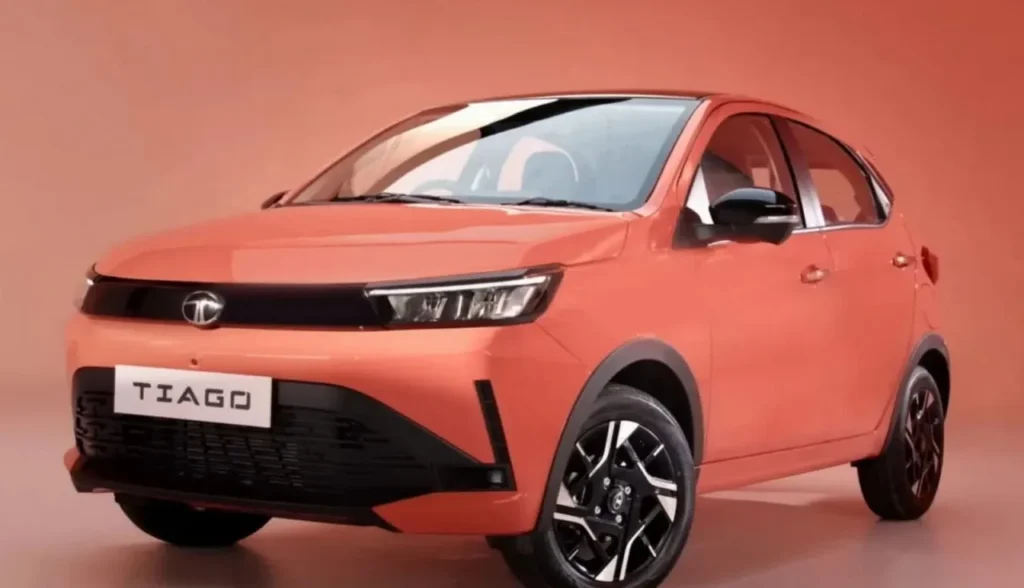
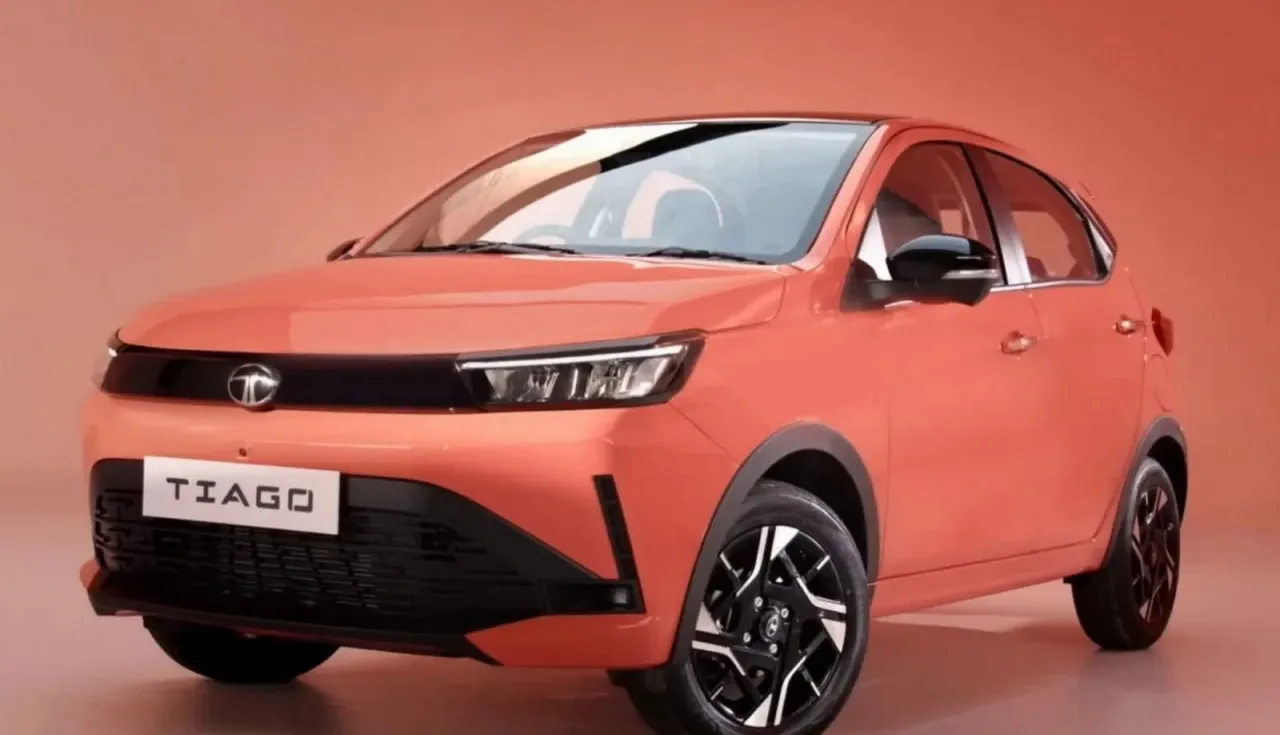
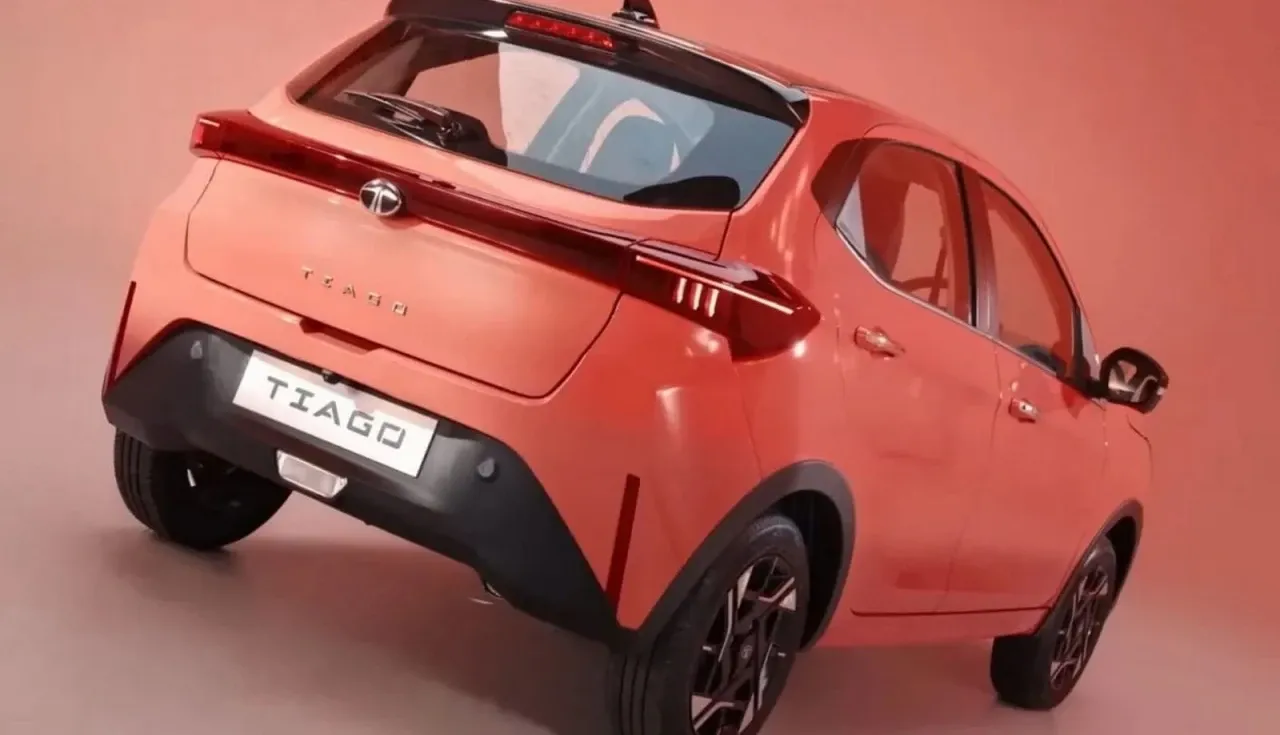
The 2027 Tata Tiago refresh modifies the front geometry and brings a modern technology suite to the cabin. Engineering teams focused on keeping manufacturing costs strictly down while updating the chassis to pass stricter structural safety protocols.
Buyers looking at the combustion variant get a 1.2-liter Revotron three-cylinder engine pushing 86 hp and 83 lb-ft of torque. This specific engine mapping trades aggressive off-the-line performance for maximum fuel efficiency during daily commutes.
In heavy gridlock, the short-ratio gearbox makes up for the low horsepower output, giving the car necessary agility. Highway driving requires patience, as the lack of high-end torque means drivers must carefully plan passing maneuvers.
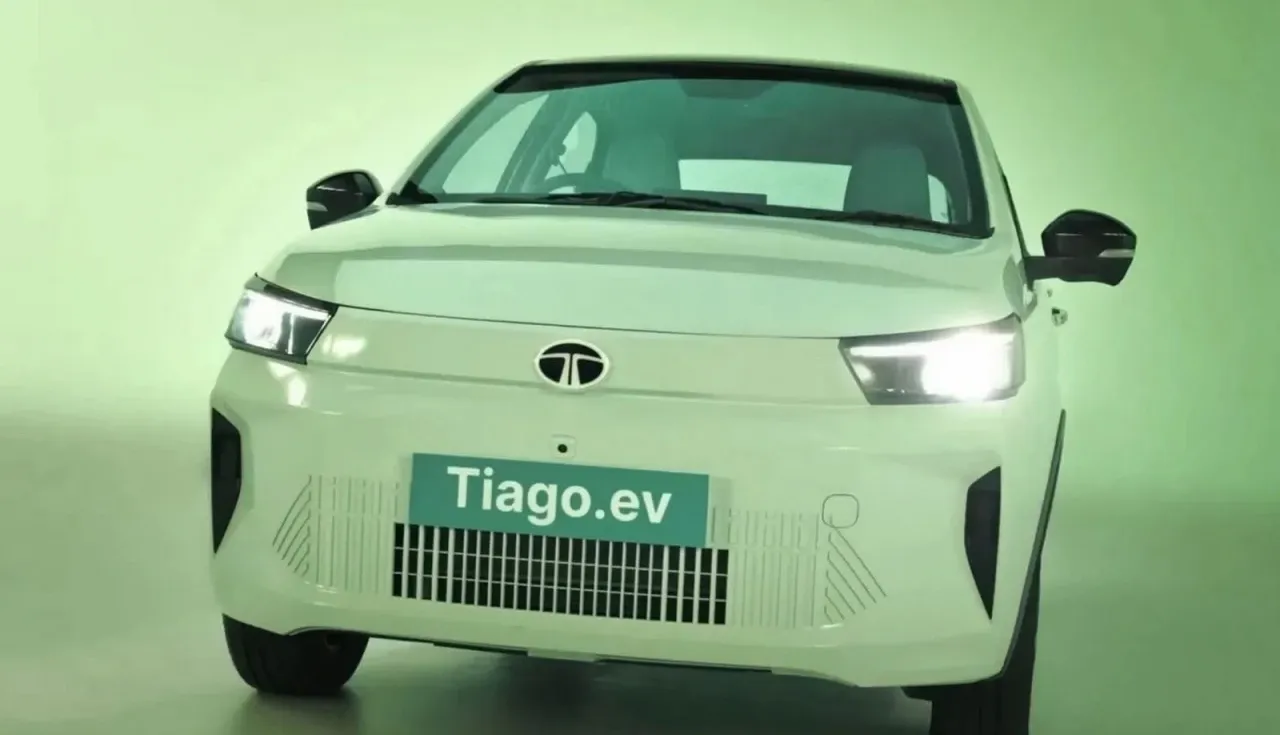
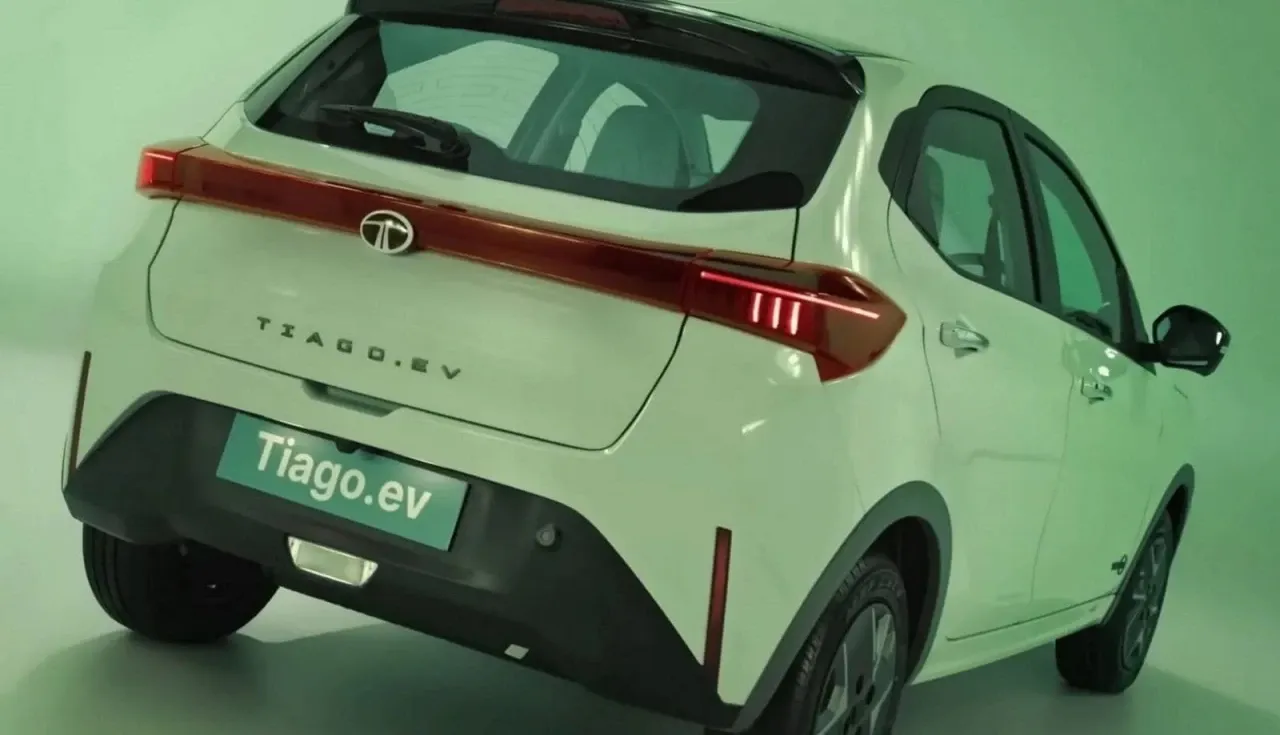
The 2027 Tiago EV continues to draw massive attention by pushing electrification into an highly affordable price bracket. The electric hatchback features lithium-ion battery packs in two distinct physical capacities: 19.2 kWh and 24 kWh.
Opting for the long-range EV trim delivers 74 hp and 84 lb-ft of instant electric torque. Mounting the heavy battery pack directly onto the floorpan lowers the center of gravity, effectively preventing body roll during tight cornering.
Official Indian driving cycles (MIDC) claim a maximum range of 195 miles for the extended battery version. Real-world driving with the AC blasting will likely drop that usable range down to a window between 136 and 149 miles.
Cabin connectivity takes the spotlight among these new releases. A brand-new 10.25-inch floating touchscreen handles climate control and media routing, cutting production costs by removing traditional physical dials.
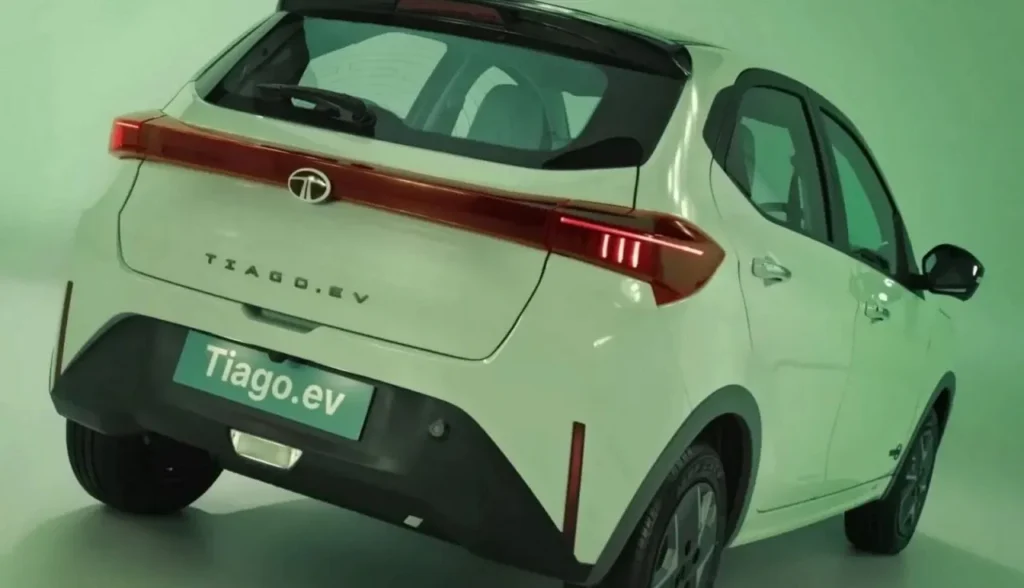
Exterior styling adopts slimmer headlights and squared-off panels heavily inspired by recent concept cars from the brand. The EV’s blocked-off front grille lowers the aerodynamic drag coefficient, preserving battery charge at highway speeds.
Juicing up the 24 kWh pack via a 50 kW DC fast charger pushes the battery from 10% to 80% in 58 minutes. Plugging into a standard 3.3 kW AC home wallbox requires 8.7 hours for a full overnight charge.
This hatchback squares off directly against global rivals like the MG Comet EV and the Citroën e-C3. To stay competitive, the new generation features structural reinforcements to support six standard airbags, fixing a glaring safety flaw from older models.

Danniel Bittencourt
29/05/2026