Faster Than an F8? The Electric Secret of the Ferrari Luce
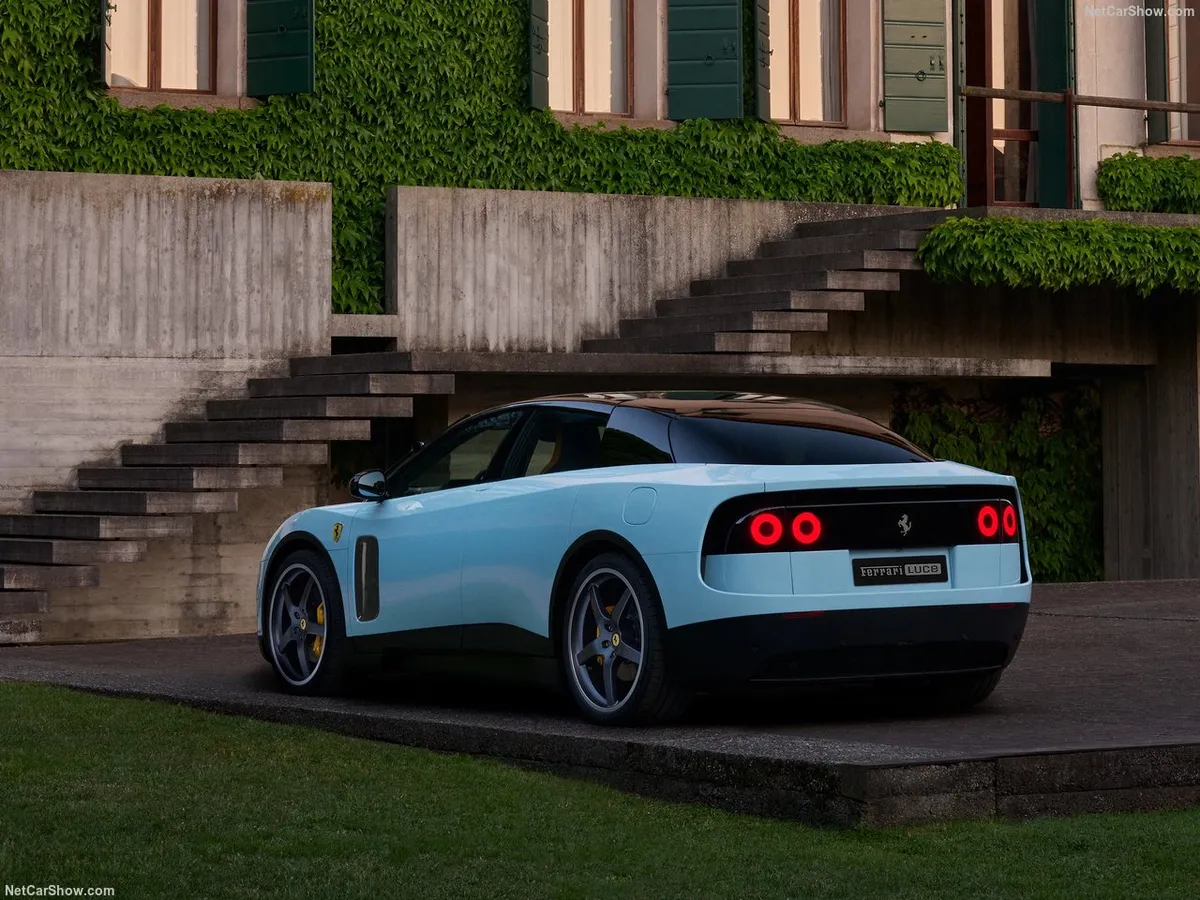
The new Ferrari Luce spells the end of the traditional roaring engine. Packing 1,000 electric horsepower and an Apple-derived digital dashboard, this EV supercar is dividing opinions and completely redefining the luxury sports car standard.
Ferrari Luce: The Dawn of the Electric Prancing Horse
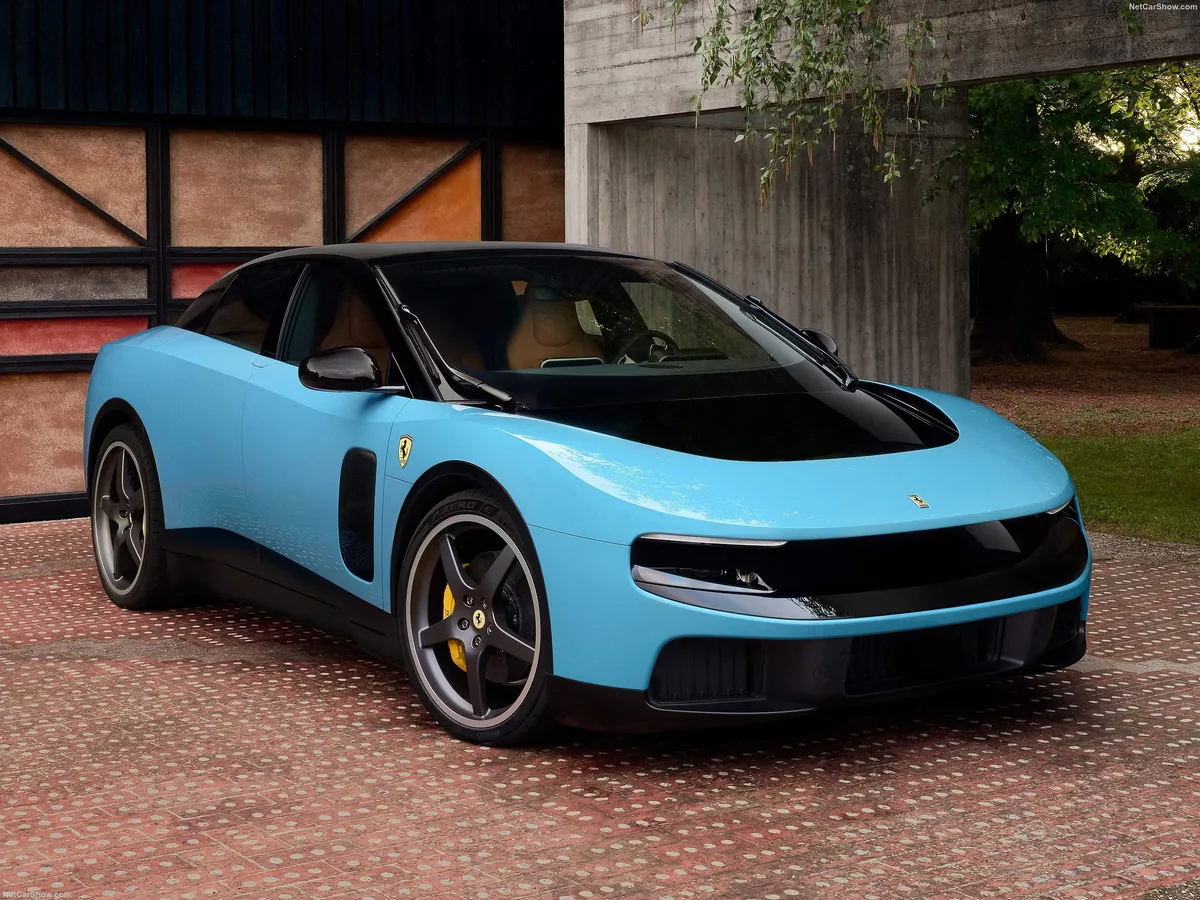
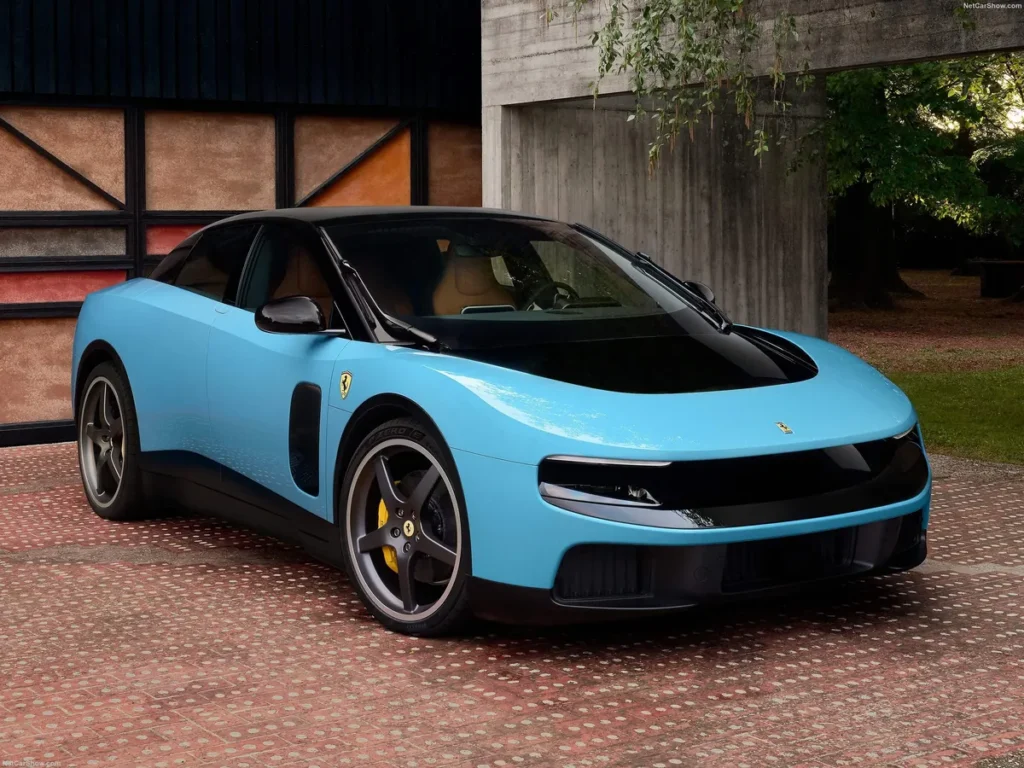
Ferrari has officially confirmed the arrival of the Luce, the Italian automaker’s highly anticipated first 100% electric supercar. Leaving combustion engines in the rearview mirror, this groundbreaking EV boasts a staggering 1,000-horsepower powertrain. This bold pivot drastically shifts the brand’s engineering DNA, signaling a whole new era for Maranello.
The Impact of a 1,000-HP Electric Motor on the Tarmac
Replacing a traditional ICE (Internal Combustion Engine) with an electric architecture requires serious dynamic tradeoffs. The Luce delivers instant torque to all four wheels, easily obliterating the straight-line acceleration numbers of older V8 models.
However, the central engineering challenge lies in managing the extra weight of the battery packs under heavy braking. EVs notoriously suffer from high inertia, which can heavily compromise agility in tight corners.
To counter this, Ferrari’s engineers focused on placing the heavy energy cells directly into the floorpan. This strategy maintains an ultra-low center of gravity, effectively mitigating grip loss and unwanted body roll on the track.
The Controversial Apple Design Partnership
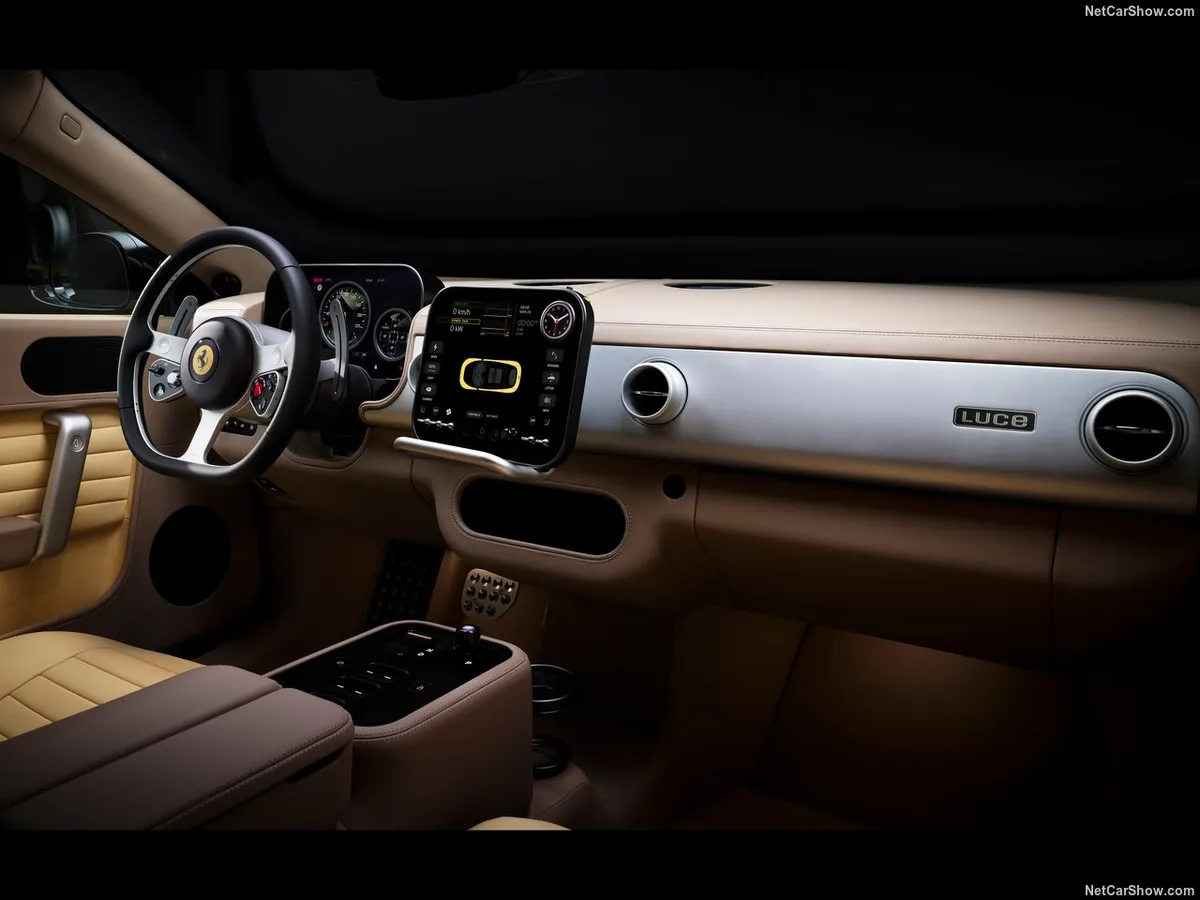
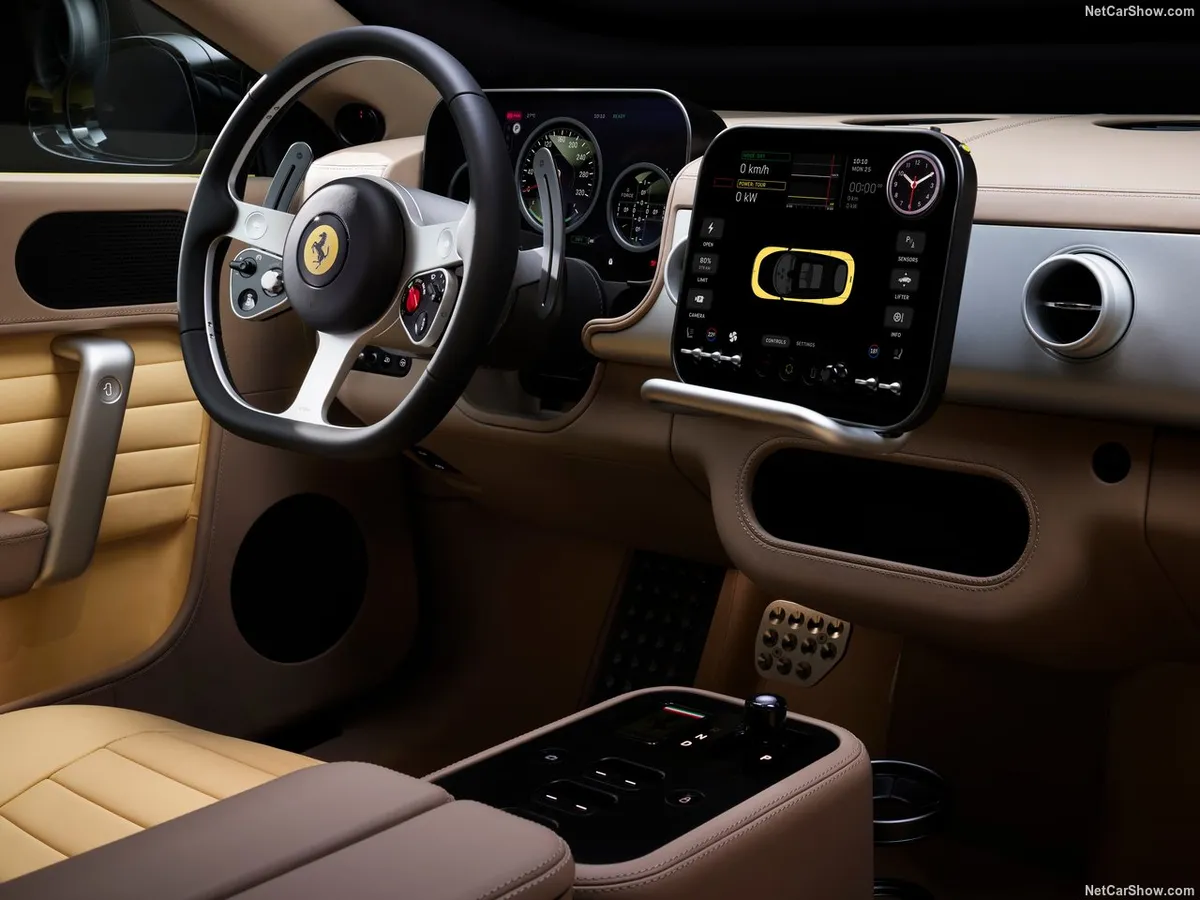
The cockpit of the Ferrari Luce introduces the most hotly debated element of the entire project: a dashboard heavily influenced by Apple’s aesthetic and functional design. The cabin ditches the classic, round analog gauges in favor of expansive, minimalist digital screens.
This near-total removal of physical buttons forces drivers to access vital dynamic settings through touch-sensitive controls. While this tech-forward approach aligns the car with futuristic EV trends, it hasn’t escaped criticism.
Navigating complex touchscreens requires drivers to take their eyes off the road, potentially compromising the driver-focused ergonomics that are crucial in a high-performance, track-ready machine.
How the Luce Stacks Up Against Its Rivals
Slated for a 2027 release, the Luce has officially moved beyond the concept phase to directly challenge heavyweights like the Porsche Taycan Turbo GT and the Rimac Nevera. In this elite hypercar segment, the battle isn’t just about raw horsepower—it’s about active aerodynamic control and advanced thermal efficiency.
Track durability will be the ultimate test for this electrified supercar. The Luce’s ability to manage its electrical system’s heat during consecutive hot laps—without suffering power degradation—will definitively prove whether it truly carries Ferrari’s legendary racing heritage, or if it’s merely a straight-line speed demon.
Danniel Bittencourt
25/05/2026