
Opel Corsa GSE 2027: The Electric Hot Hatch Redefining the Compact Segment
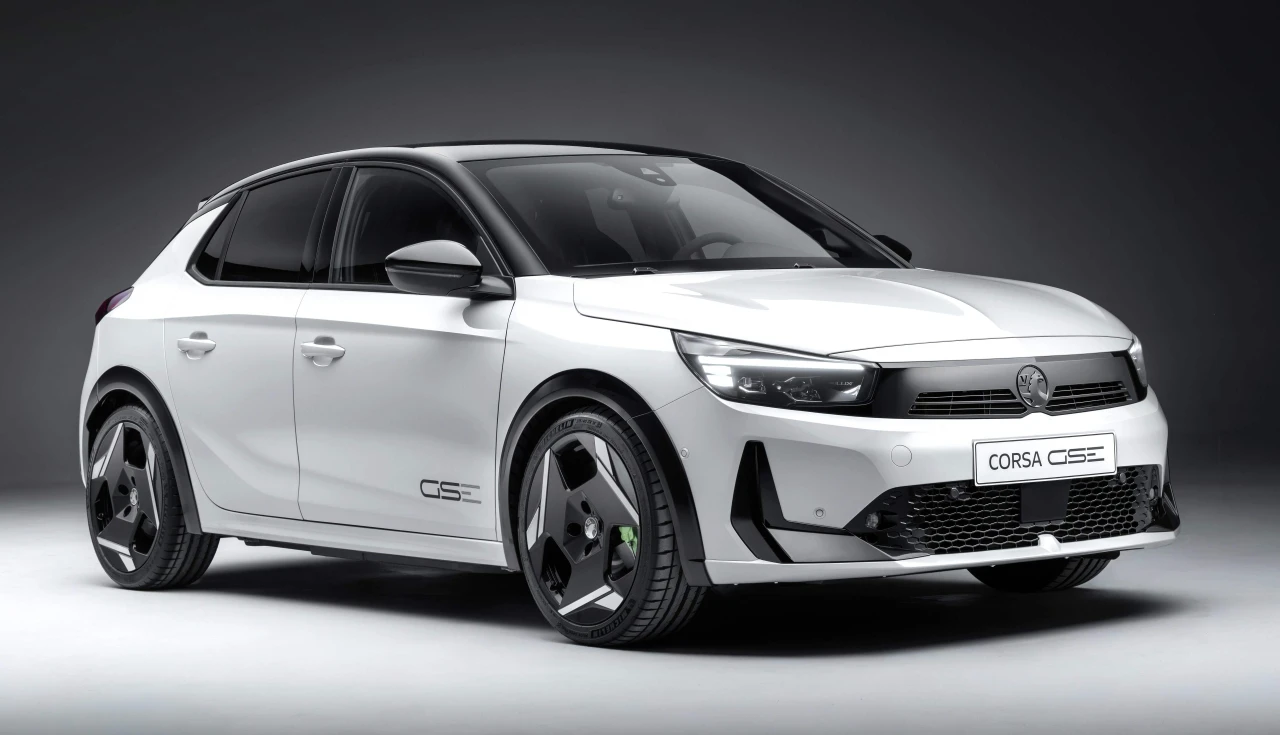
With 281 horsepower, 255 lb-ft of instant torque, and a genuine mechanical Torsen limited-slip differential, the 2027 Opel/Vauxhall Corsa GSE makes the strongest case yet that electric cars and driving passion aren’t mutually exclusive.

Por: Danniel Bittencourt
06/05/2026
The Corsa GSE Is the Electric Hot Hatch Europe’s Been Waiting For
The traditional hot hatch is disappearing from European showrooms — and Opel/Vauxhall isn’t standing by watching it happen. The 2027 Corsa GSE is the brand’s direct answer: a pure electric compact hatchback packing 281 hp, 255 lb-ft of torque, and engineering DNA borrowed straight from motorsport.
This isn’t a refresh or a trim upgrade. It’s a full reinvention — the combustion engine is gone, and performance is now the central argument for going electric.
The target buyer has shifted too. The GSE isn’t chasing the young driver fresh out of the DMV. It’s aimed at experienced enthusiasts, professionals with dedicated home charging, and drivers who want something genuinely engaging — not just fast in a straight line. Its two biggest rivals are the Alpine A290 GTS+ and the Mini JCW Electric, and on paper, the Corsa beats both off the line.
No official word yet on a US market release.
Sharp Lines, Functional Aero: How the Corsa GSE Earns Its Stance
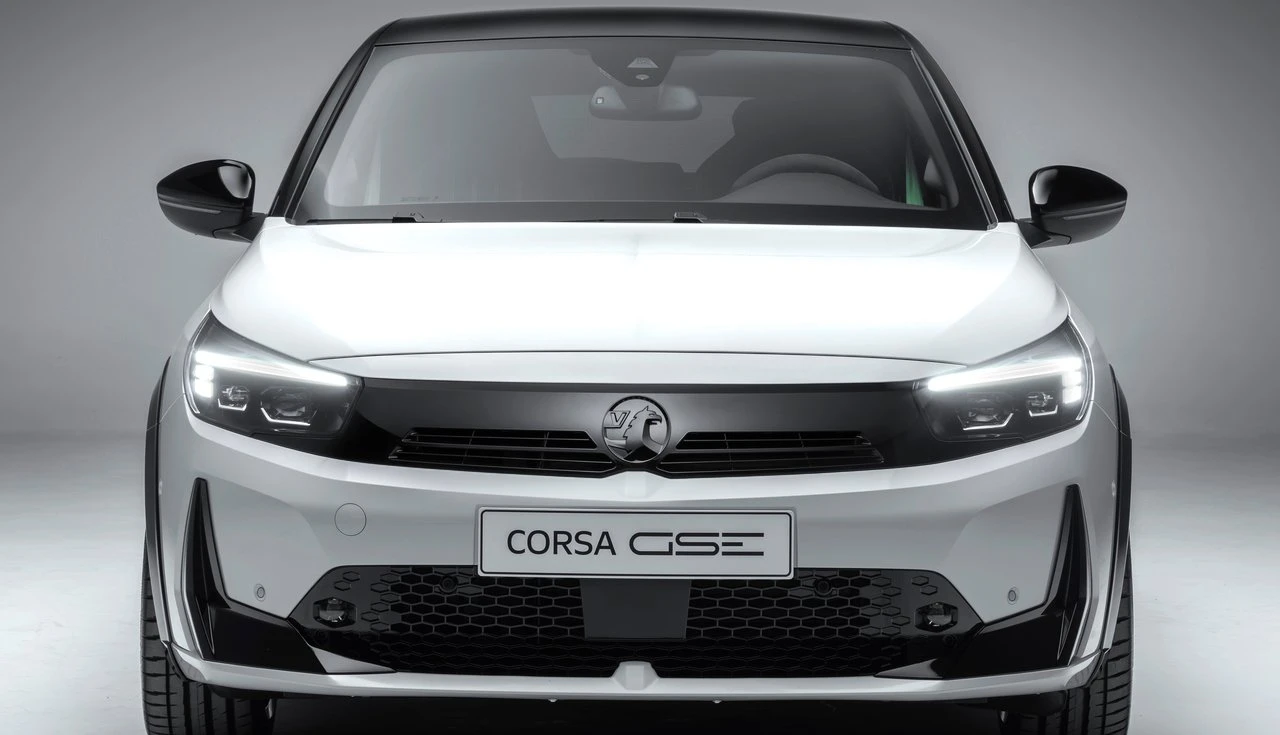
The GSE’s body doesn’t try to hide what it’s built for. Up front, the closed Vizor panel — a signature Opel design element — does double duty: it houses the ADAS radar sensors and cameras while eliminating the conventional air intakes that are no longer needed without a combustion engine.
The Intelli-Lux matrix LED headlights are narrower and more aggressive than on standard Corsa models, giving the front end a focused, purposeful look rather than a flashy one.
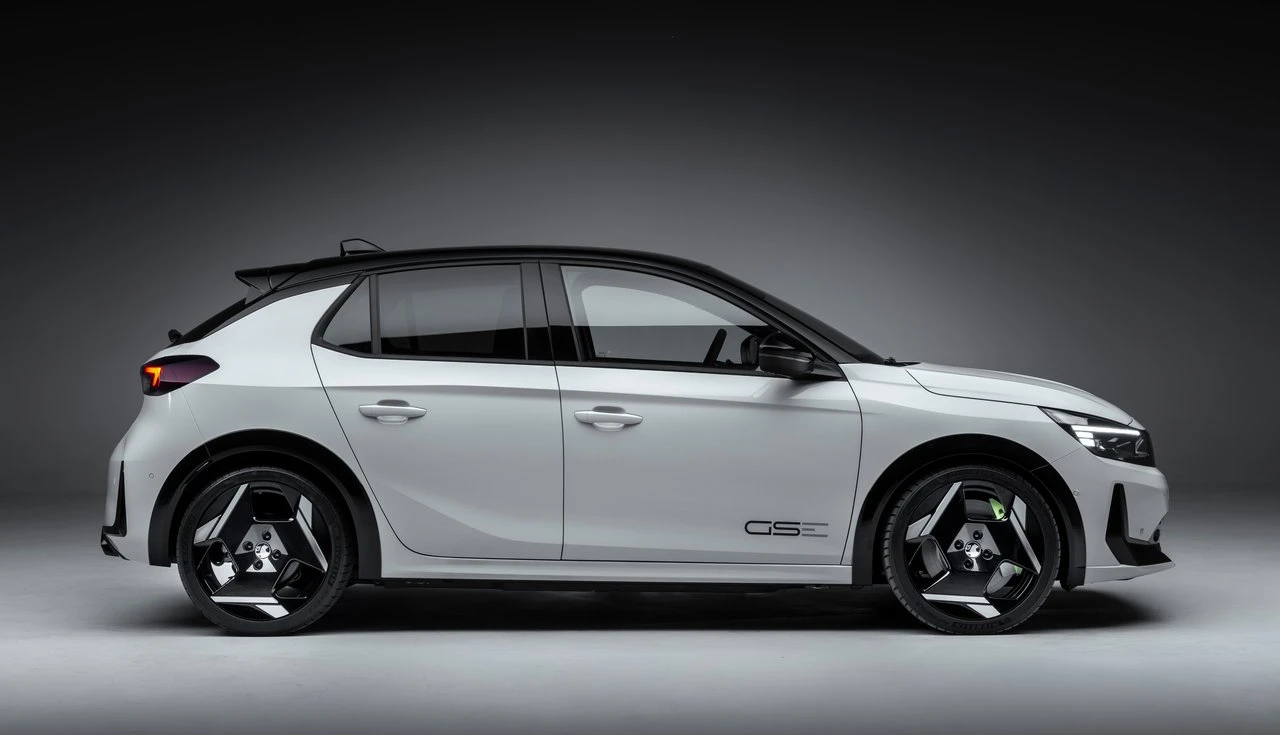
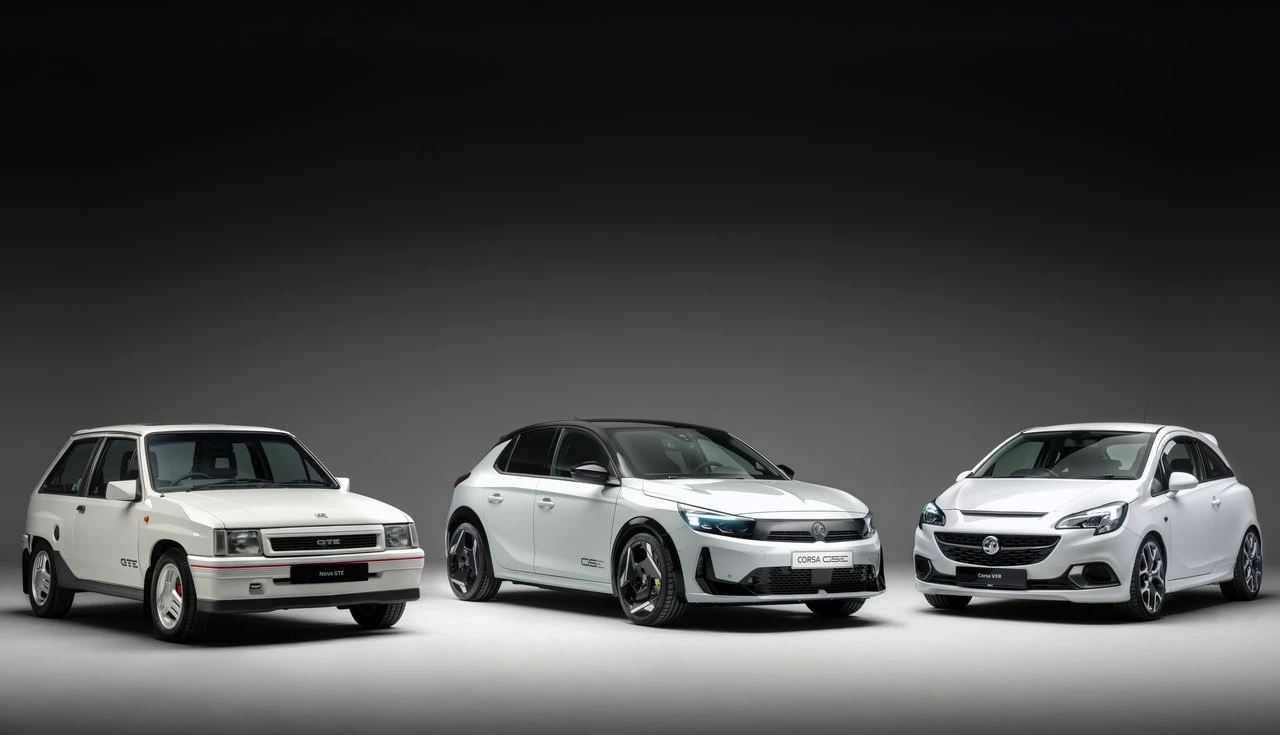
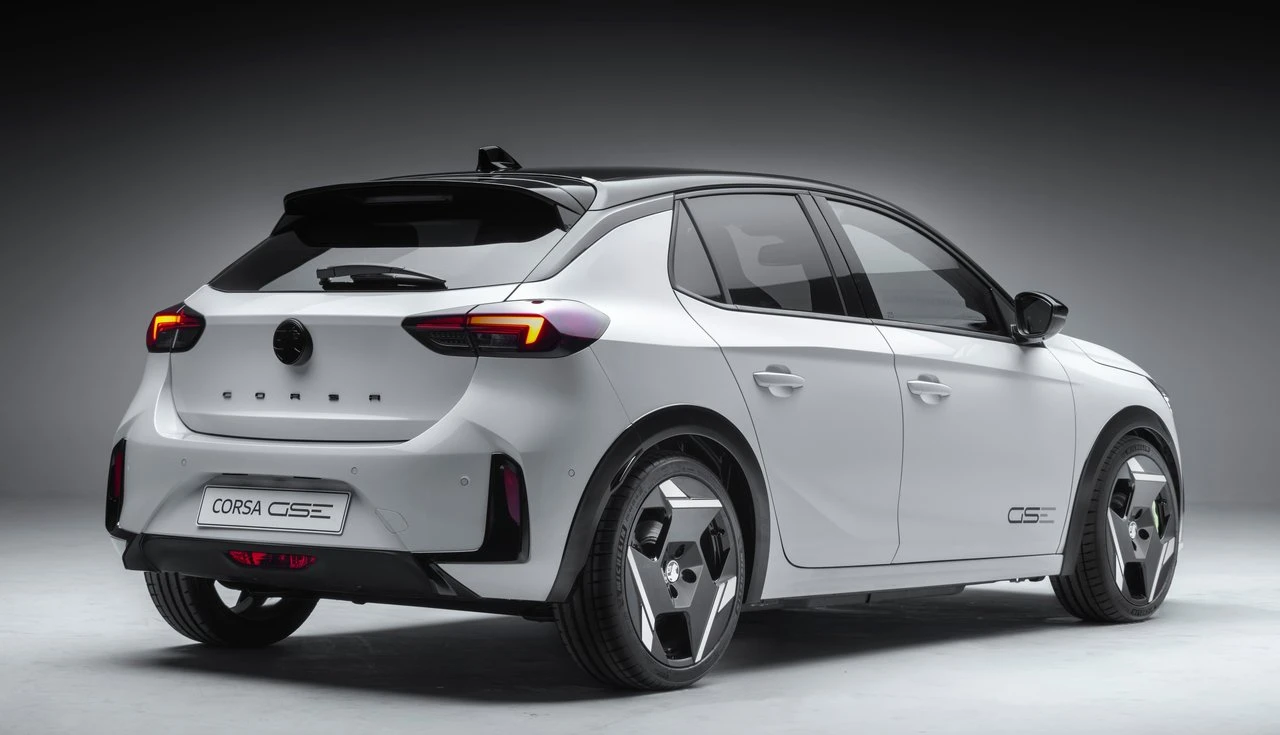
Along the side, the body sits noticeably lower to the ground than the standard Corsa — a direct result of the recalibrated sport chassis and the floor-mounted battery pack, which keeps the center of gravity low. The 18-inch wheels with a three-spoke flat-face design serve two purposes at once: they’re a deliberate visual nod to the legendary Nova GSi from the early 1990s, and the semi-closed face reduces aerodynamic turbulence inside the wheel arch.
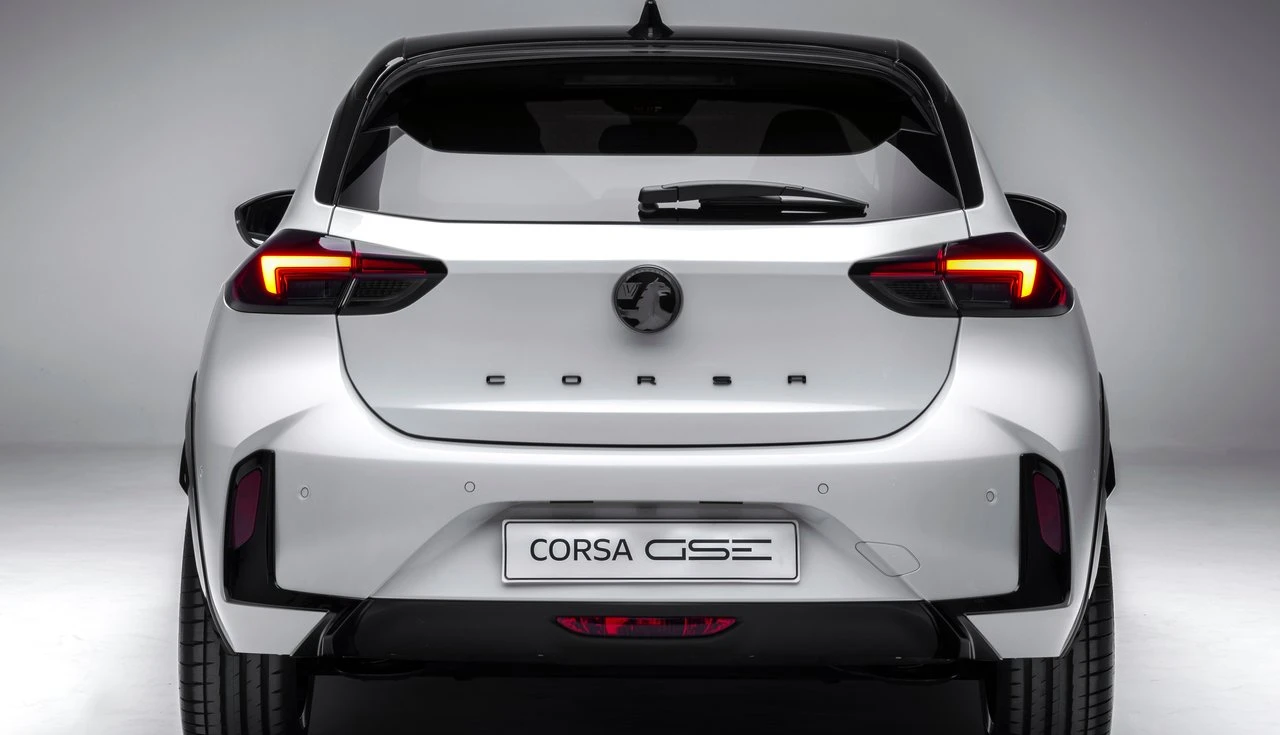
Out back, the extended rear spoiler isn’t decoration — it actively manages airflow separation at the tail. The gloss black roof compresses the car’s visual height, making it look planted and wide.
The overall aesthetic is restrained and functional. There are no exaggerated wings or oversized diffusers. The estimated drag coefficient sits around 0.29 — a slight step up from the standard electric Corsa’s 0.28, a deliberate engineering trade-off that prioritizes mechanical grip and thermal management over outright highway efficiency.
Alcantara, Real-Time Telemetry, and Bolsters That Actually Hold You In
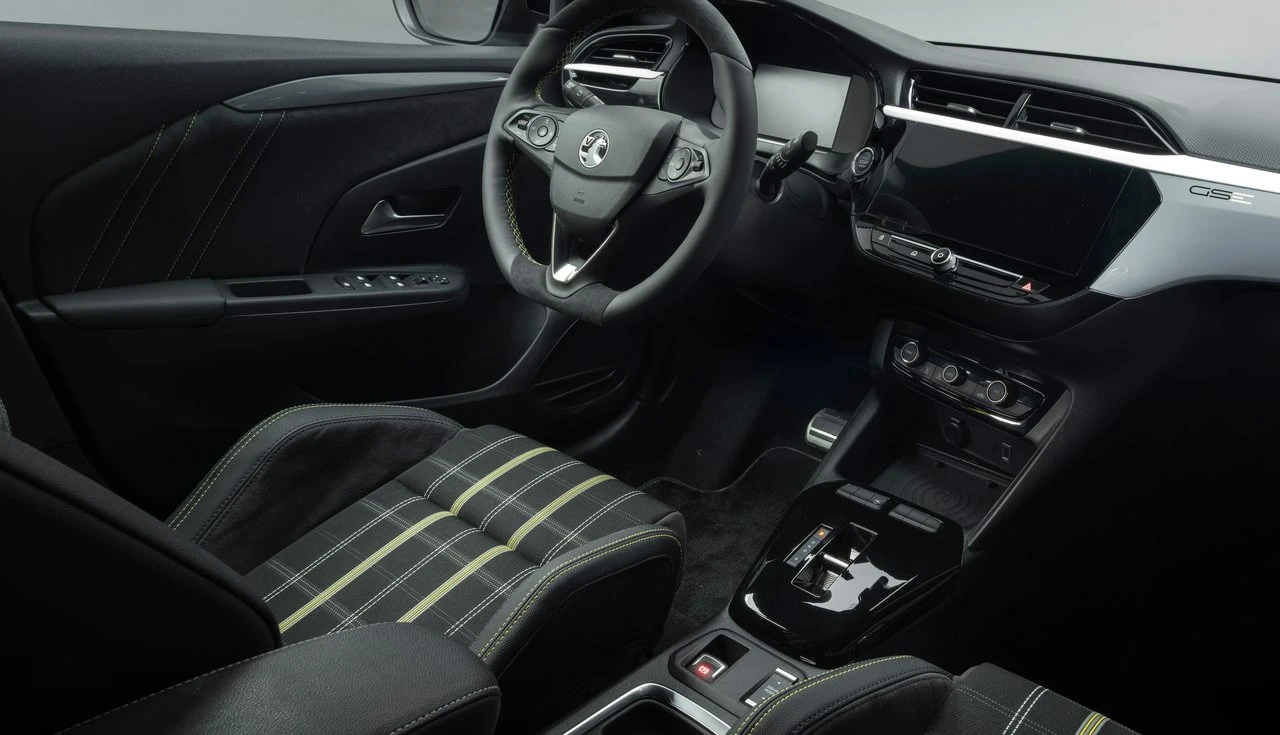
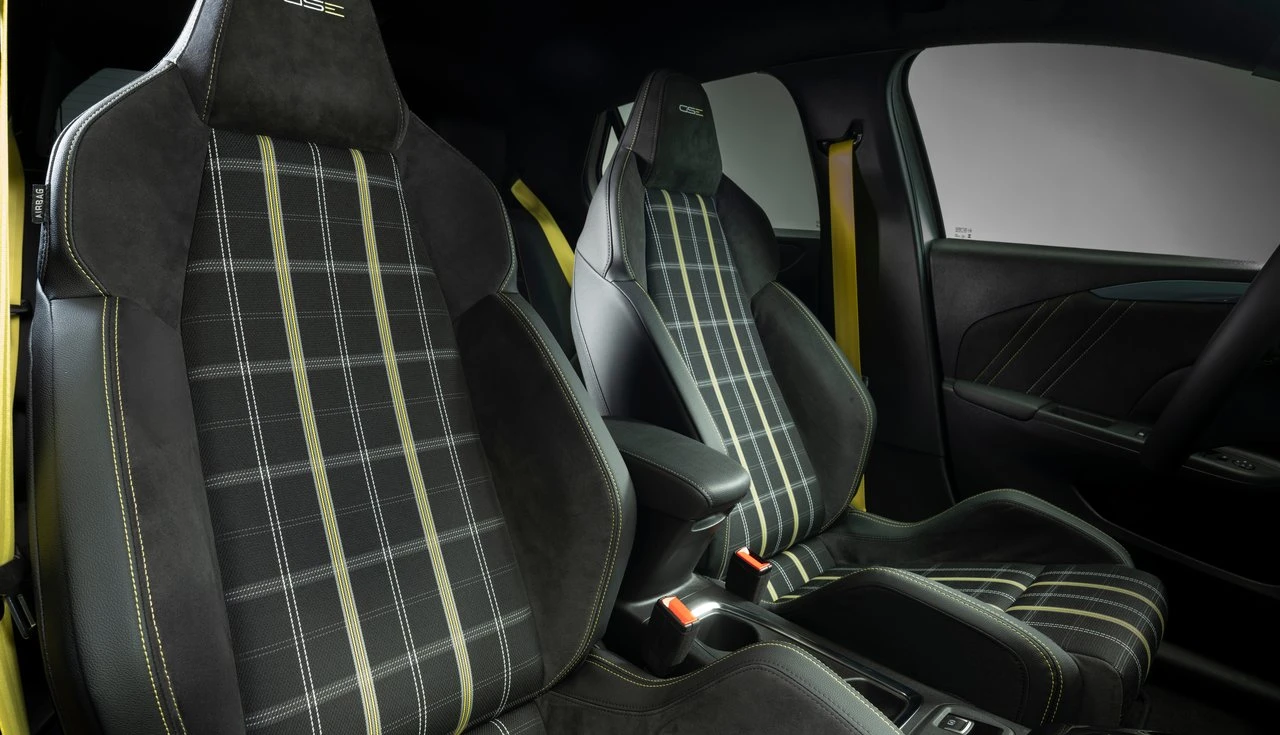
Step inside the GSE and the difference from a standard Corsa is immediate. The cabin is dark and driver-focused — every surface and control is positioned to minimize distraction and maximize connection with the road.
The sport bucket seats with pronounced lateral bolsters are wrapped in Alcantara — chosen for its grip under lateral load, not just its premium feel. Bright yellow or green seatbelts cut through the dark interior and serve as the GSE’s clearest visual signature. The flat-bottomed Alcantara steering wheel and aluminum sport pedals complete a cockpit that reads serious without being theatrical.
Digital Cockpit Built for Drivers Who Actually Push the Car
The digital instrument cluster ditches analog dial graphics entirely. Instead, it prioritizes data that matters during performance driving: real-time G-force readings, sprint timers, inverter and battery temperature monitoring, and a live power flow display showing regenerative energy recovery.
The ADAS suite is fully equipped: lane positioning assist, autonomous emergency braking, rear parking sensors, and adaptive cruise control capable of managing stop-and-go traffic. The GSE proves that track-focused cars don’t have to sacrifice modern safety technology.
Genuine strength: the integrated performance telemetry is genuinely uncommon at this price point in the compact hatchback segment — it delivers something real for buyers who track their cars on weekends.
Real limitation: the 267-liter trunk (roughly 9.4 cubic feet) lands below segment average — an inevitable consequence of the floor battery packaging. As a weekend second car, it works fine. As a daily driver for a family, it’s a compromise.
Rear seat space follows typical B-segment dimensions — adequate, not generous. The design priority is clearly the driver’s seat, and the rest of the interior reflects that honestly.
ADVERTISING

Top of the Moment
281 HP with Zero Lag: What the Corsa GSE Actually Feels Like to Drive
The GSE runs a permanent magnet synchronous electric motor mounted on the front axle — keeping the front-wheel-drive layout that defined the greatest European hot hatches of the past three decades. The 54 kWh gross battery pack (51 kWh usable) sits in the structural floor, dropping the center of gravity as low as the packaging allows.
In Sport mode, the system unleashes the full 281 hp and 255 lb-ft of torque — available from literally zero RPM, with no turbo lag, no torque converter delay, no waiting. That translates to 0-60 mph in approximately 5.5 seconds, a number that outpaces both the Mini JCW Electric (5.9 seconds) and the Alpine A290 GTS+ (6.4 seconds).
Normal mode drops output to 231 hp to protect long-term battery health while still delivering a powertrain that feels genuinely strong for daily driving. Eco mode reduces performance further and caps top speed at 93 mph — the tool you reach for on long highway runs where range matters more than pace. Top speed in Sport and Normal sits at 112 mph, enforced electronically.
The thermal management system was specifically recalibrated for the GSE — larger-capacity liquid cooling circuits designed to hold power output steady through repeated hard acceleration runs. This directly targets the “thermal derating” problem that makes many performance EVs fade on track after a few hot laps.
The onboard charger also supports V2L (Vehicle-to-Load) technology at up to 3.6 kW, letting owners use the traction battery as a power source for external devices.
Estimated efficiency in WLTP testing converts to approximately 48.1 mpg equivalent — a reference point for comparing energy consumption against combustion alternatives.
Specs at a Glance
| Item | Specification |
|---|---|
| Motor | Permanent Magnet Synchronous (Front-Mounted) |
| Peak Power | 281 hp (Sport) / 231 hp (Normal) |
| Torque | 255 lb-ft (instant, from 0 RPM) |
| Transmission | Single-Speed Automatic |
| Differential | Mechanical Torsen LSD (multi-plate) |
| 0–60 mph | ~5.5 seconds |
| Top Speed | 112 mph (93 mph in Eco mode) |
| Battery | 54 kWh gross / 51 kWh usable |
| Curb Weight | 3,426 lbs (1,554 kg) |
| Efficiency (est.) | ~48.1 MPGe |
| V2L Charging | Up to 3.6 kW |
| Cargo Volume | 267 liters / ~9.4 cu ft |

What the Corsa GSE Actually Costs — and Who Can Realistically Afford It
In Europe, the GSE is expected to land around £35,000 in the UK and approximately €41,000 on the continent. For American buyers considering import, that’s a rough equivalent of $43,000–$52,000 USD at current exchange rates — before any import fees, compliance costs, or shipping.
That price point will catch anyone off guard who still thinks of the Corsa as an affordable economy car. But the hardware justifies the number: a Torsen mechanical LSD, Alcon four-piston brake calipers, Michelin Pilot Sport 4S tires in 215/40 R18, and a 54 kWh battery pack are not cheap components to engineer or manufacture.
Maintenance costs tell a split story. The electric drivetrain itself brings the typical EV advantages — no oil changes, no timing belt, no exhaust components to replace. Running costs for the motor and inverter sit firmly in the low category. The problem is the performance consumables: the Pilot Sport 4S compound, subjected to 255 lb-ft of instant torque through the front axle, wears faster than any all-season tire. The Alcon brake pads, though protected by regenerative braking in normal use, take a beating during track sessions. Overall maintenance lands in a medium cost bracket for anyone using the car the way it’s designed to be used.
Insurance is where the math gets uncomfortable. Based on the Astra GSe PHEV — rated at Group 30E in the UK insurance classification system — the Corsa GSE is projected to fall between Groups 30E and 35E. That’s near the top of the scale for a compact car. Young drivers or anyone without a clean no-claims history will face premiums that significantly change the total cost of ownership picture.
For corporate fleet buyers in the UK and Europe, the zero-emission BIK (Benefit-in-Kind) tax exemption and ULEZ exemption in major city centers make the total cost of ownership considerably more attractive than the sticker suggests.
Worth buying at launch? If you have a home Level 2 charger (7–11 kW), drive with genuine enthusiasm, and value driving dynamics over raw practicality — yes. If you’re treating this as an appliance to get from A to B, the premium over a standard Corsa electric is very difficult to justify.
Your Real Questions About the Corsa GSE, Answered Directly
Will the 2027 Corsa GSE come to the United States? There’s no official confirmation. Opel doesn’t sell cars in the US market, and Vauxhall is exclusive to the UK. Individual grey-market import would be the only avenue, and compliance costs make that impractical for most buyers.
What’s the real-world range during hard driving? The 54 kWh battery delivers respectable WLTP numbers under normal conditions, but sustained full-power runs drain it significantly faster. On a track day, expect range to drop sharply — plan your charging stops accordingly.
Is the insurance actually that expensive? Yes. The projected Group 30E–35E classification in the UK places it among the most expensive to insure in the compact segment. Drivers without a clean claims history will see premiums that make the ownership math much harder.
Who are the closest competitors? The Alpine A290 GTS+ (lighter, more agile, rear multi-link suspension) and the Mini JCW Electric (premium styling, go-kart handling heritage). The Corsa leads both in straight-line acceleration but asks a higher price to get there.
Is the Corsa GSE Worth the Money?
For the enthusiast who lives near a low-emission zone, has a dedicated home charger, and genuinely wants the most driver-focused electric hatchback in the B-segment — the GSE delivers on its promises. The Torsen mechanical differential is the most honest argument in its favor: in a market where most EVs fake cornering dynamics through software brake intervention, having real hardware that actively distributes torque is something you feel immediately through the steering wheel.
For anyone who just wants a small, quick car for commuting, the price and insurance costs make the case difficult to defend.
The Corsa GSE isn’t the affordable hot hatch of the 1990s. It’s what that type of car had to become to survive — and depending on where you stand, that’s either the problem or the whole point.