The Honda S2000 Every Modified Car Fan Dreams About
Few sports cars have aged as gracefully as the Honda S2000. Lightweight, sharp, and powered by a high revving engine that begs to be pushed, this Japanese roadster still turns heads and wins over driving enthusiasts across the United States.
The Story Behind the Honda S2000 and Why It Still Turns Heads
The Honda S2000 debuted in 1999 to celebrate the automaker’s 50th anniversary. Production ran through 2009, but even years after its discontinuation, this lightweight roadster remains one of the most respected Japanese sports cars ever built.
Designed in Japan, the S2000 followed a formula many enthusiasts still miss today: lightweight engineering, rear wheel drive, a close ratio manual transmission, and a naturally aspirated engine built for high RPM performance.
Its biggest claim to fame is the legendary F20C engine, a 2.0 liter naturally aspirated powerplant capable of revving to nearly 9,000 rpm. Even by today’s standards, it remains one of the highest revving production four cylinder engines ever offered in a street legal car.
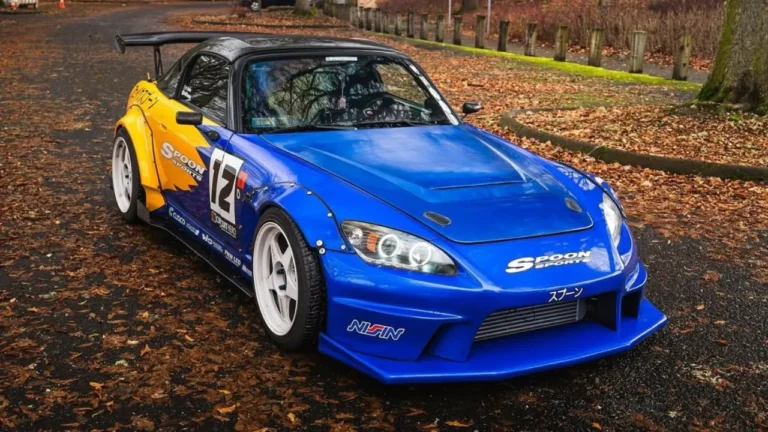
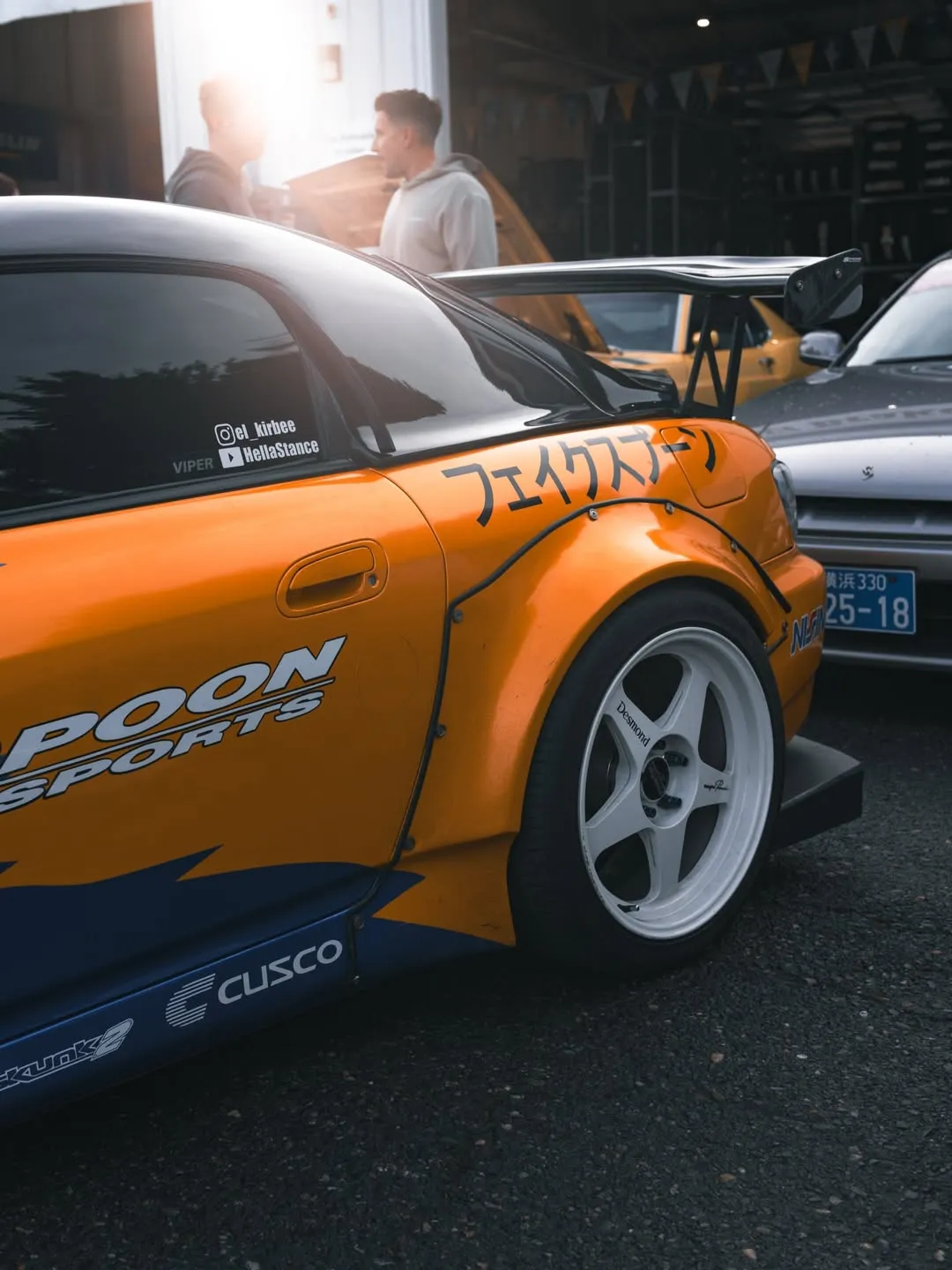
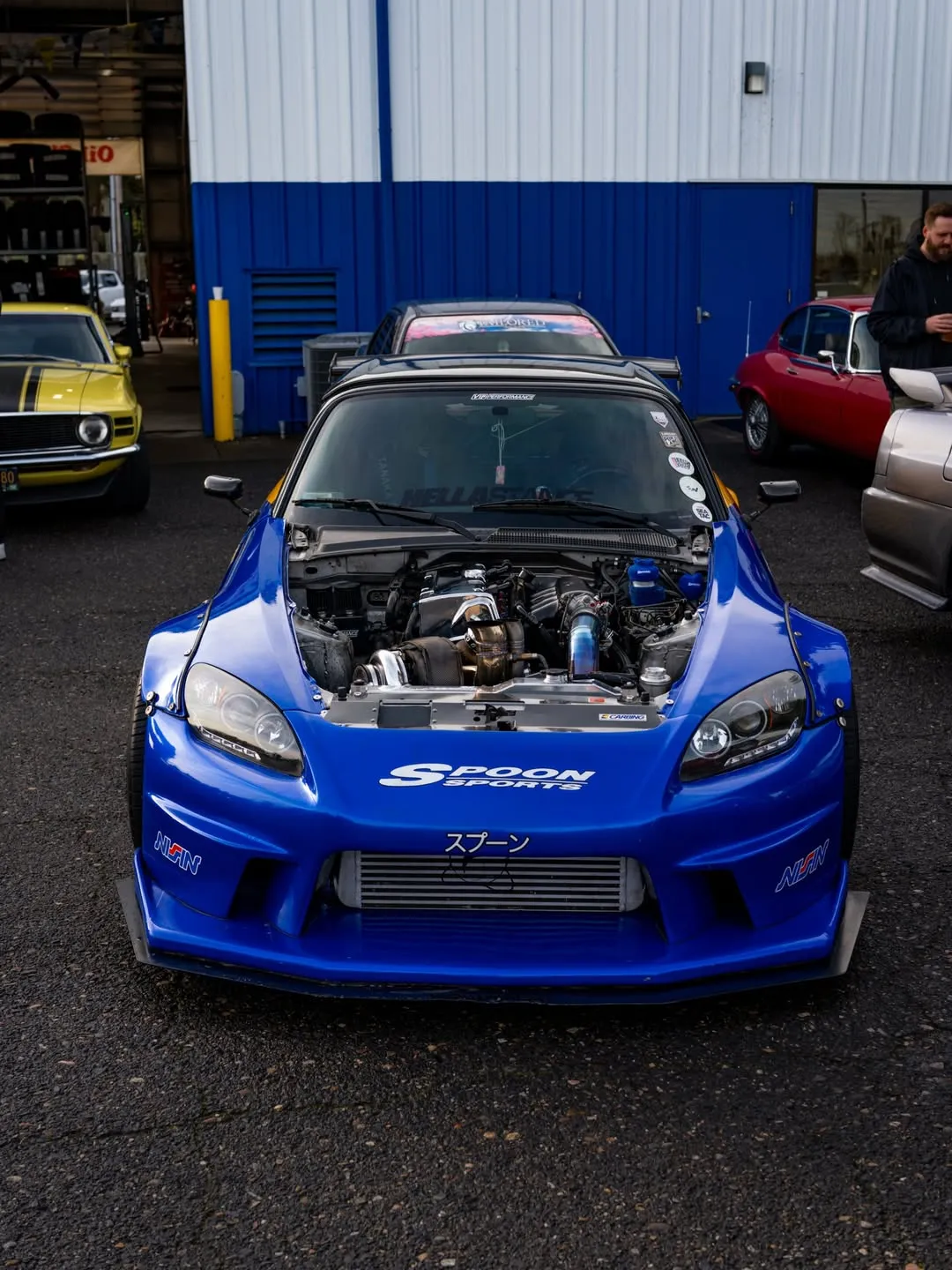
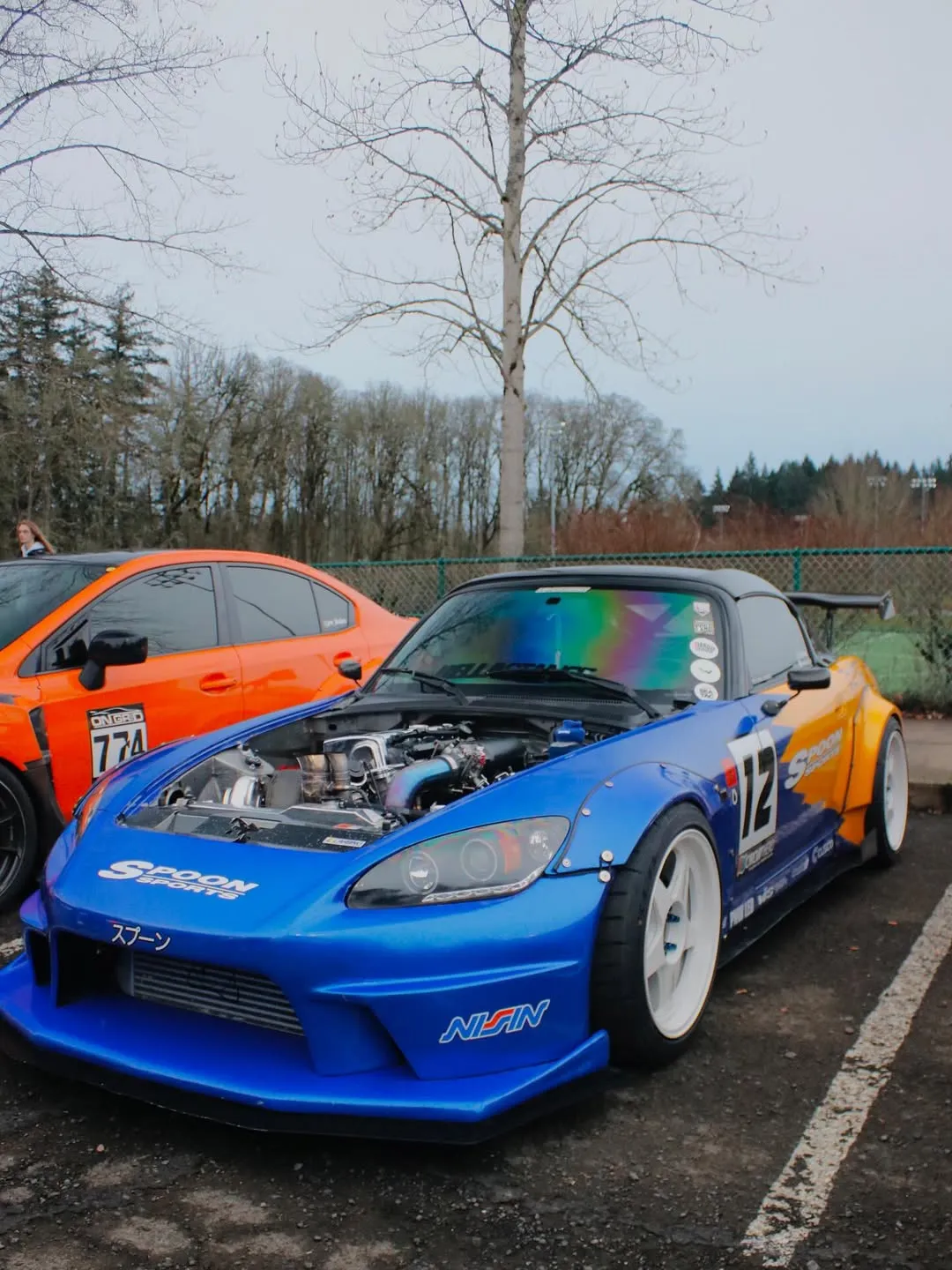
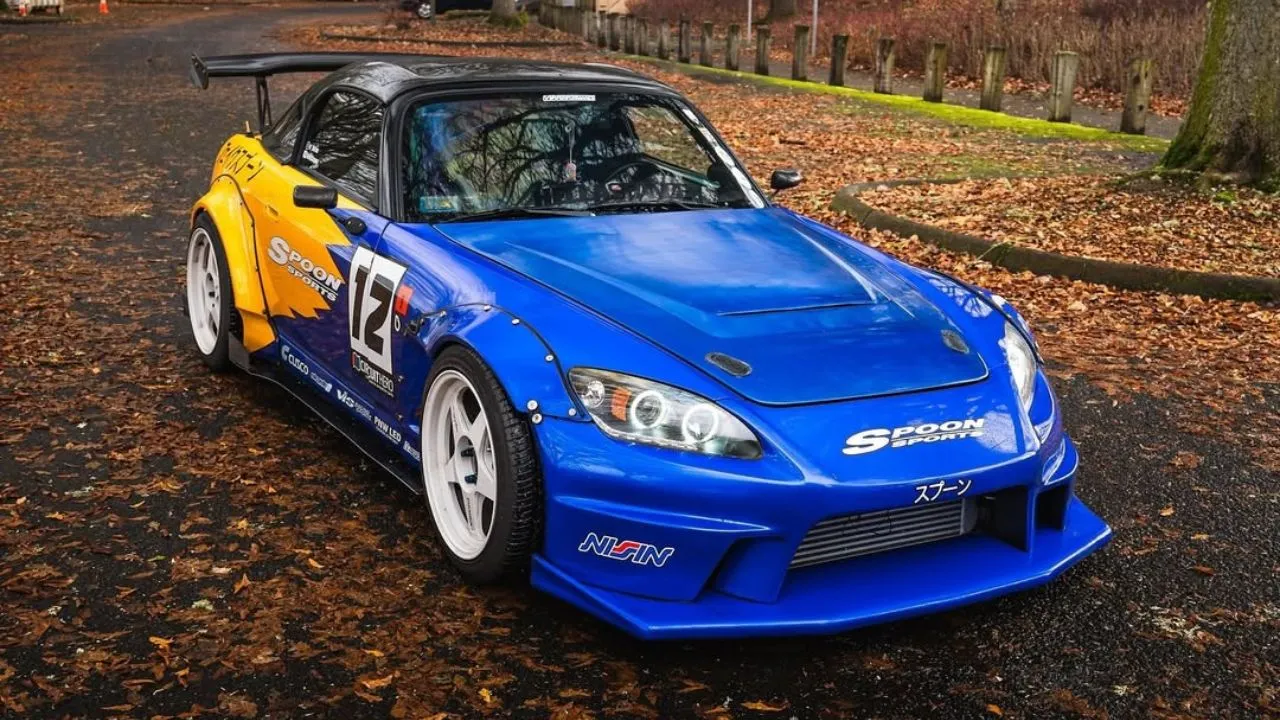
Visually, the S2000 still feels modern. The long hood, low seating position, and clean body lines give it timeless appeal. That’s one reason it remains a favorite in the world of modified cars, especially among JDM enthusiasts and custom performance builders.
Throughout its production run, Honda introduced several refinements. Early AP1 models delivered a more aggressive driving experience and sharper suspension tuning. Later AP2 models improved stability, added a larger 2.2 liter engine in North America, and made the car easier to drive at the limit.
Despite strong fan demand, the S2000 never received a direct successor. Rumors have surfaced for years about a possible comeback, but Honda has yet to bring back the iconic roadster.
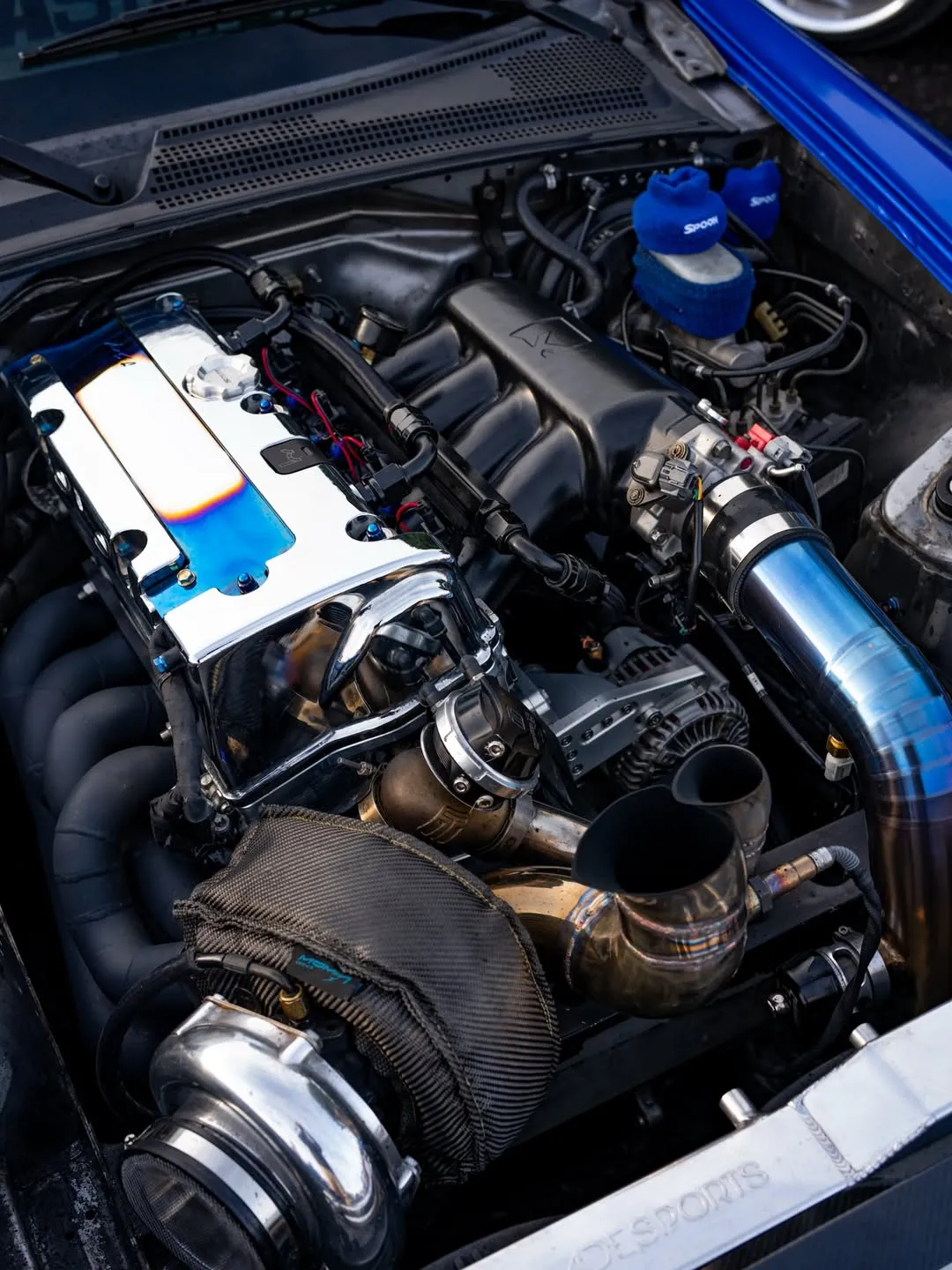
The images featured here come from the Instagram profile of a true car enthusiast, someone who genuinely lives and breathes automotive culture every day. You’ll find the Instagram profile linked at the end of the article.
Performance, Interior, and Exterior: Where the Honda S2000 Truly Shines
Mechanically, the S2000 delivers something many modern sports cars struggle to replicate: a pure and engaging driving experience. The naturally aspirated engine rewards drivers who push it hard, especially at higher RPMs.
The six speed manual transmission deserves special attention. Many enthusiasts still consider it one of the best manual gearboxes ever installed in a production sports car, thanks to its short throws and incredibly precise feel.
Inside, the cabin keeps things simple and driver focused. The digital gauge cluster, rare for the early 2000s, still feels surprisingly modern today. Seating is low and sporty, though cabin space is undeniably tight.
On the outside, the styling stays clean and purposeful. Rather than relying on aggressive design cues, the S2000 lets its proportions do the talking.
Honda S2000 vs Its Closest Rivals
3 Things the Honda S2000 Does Exceptionally Well
1. A High Revving Engine Like Almost Nothing Else
Few sports cars deliver the same thrill of climbing toward 9,000 rpm.
2. One of the Best Manual Transmissions Ever Built
The short, mechanical gear changes still feel unmatched.
3. Timeless Design
Even decades later, the S2000 still looks sharp and modern.
3 Areas Where the Honda S2000 Falls Short
1. Tight Interior Space
This is not the most practical car for everyday use.
2. Firm Suspension Setup
Ride comfort takes a back seat, especially on rough roads.
3. Rising Used Car Prices
Clean examples have become expensive as demand keeps growing.
FAQ
Is the Honda S2000 fast?
Yes. Depending on the model year, it can go from 0 to 60 mph in roughly six seconds.
Is the Honda S2000 turbocharged?
No. Every Honda S2000 came from the factory with a naturally aspirated engine.
What engine does the Honda S2000 have?
The S2000 used either the F20C 2.0L or F22C1 2.2L naturally aspirated engine.
Is the Honda S2000 reliable?
Yes. With proper maintenance, the S2000 is known for excellent reliability.
Did the Honda S2000 get a successor?
No. Honda has never released a direct replacement for the S2000.
Is the Honda S2000 good for modifications?
Absolutely. It remains one of the most popular JDM platforms for tuning and custom builds.
Is the Honda S2000 worth buying today?
For enthusiasts looking for a pure driving experience and long term collector value, it still makes a strong case.
Danniel Bittencourt
Danniel Bittencourt He is an automotive expert and enthusiast specializing in vehicle reviews, new releases, and global market trends. He is the founder of the website and the creator behind several YouTube channels dedicated to the automotive world.
Related posts >