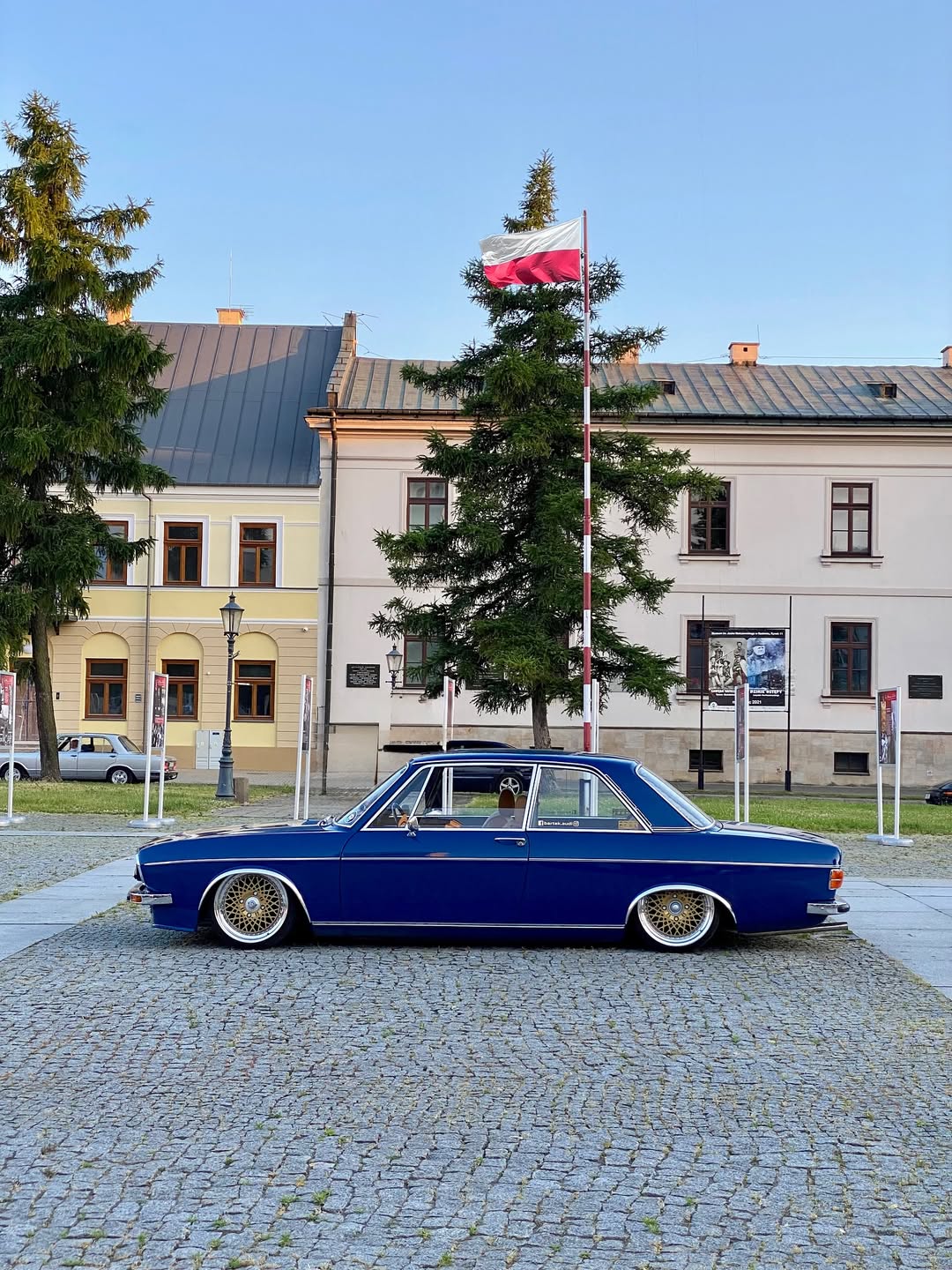
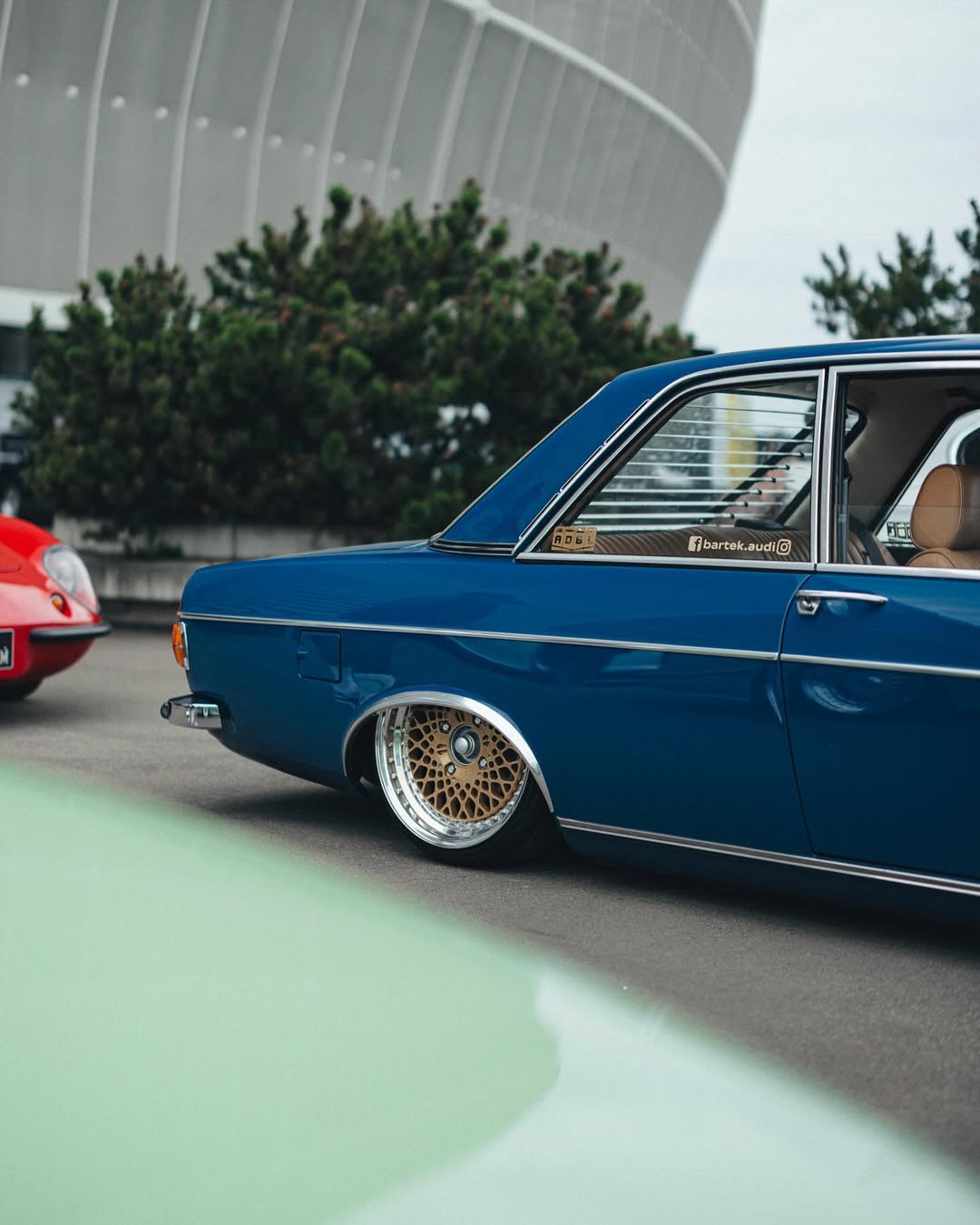
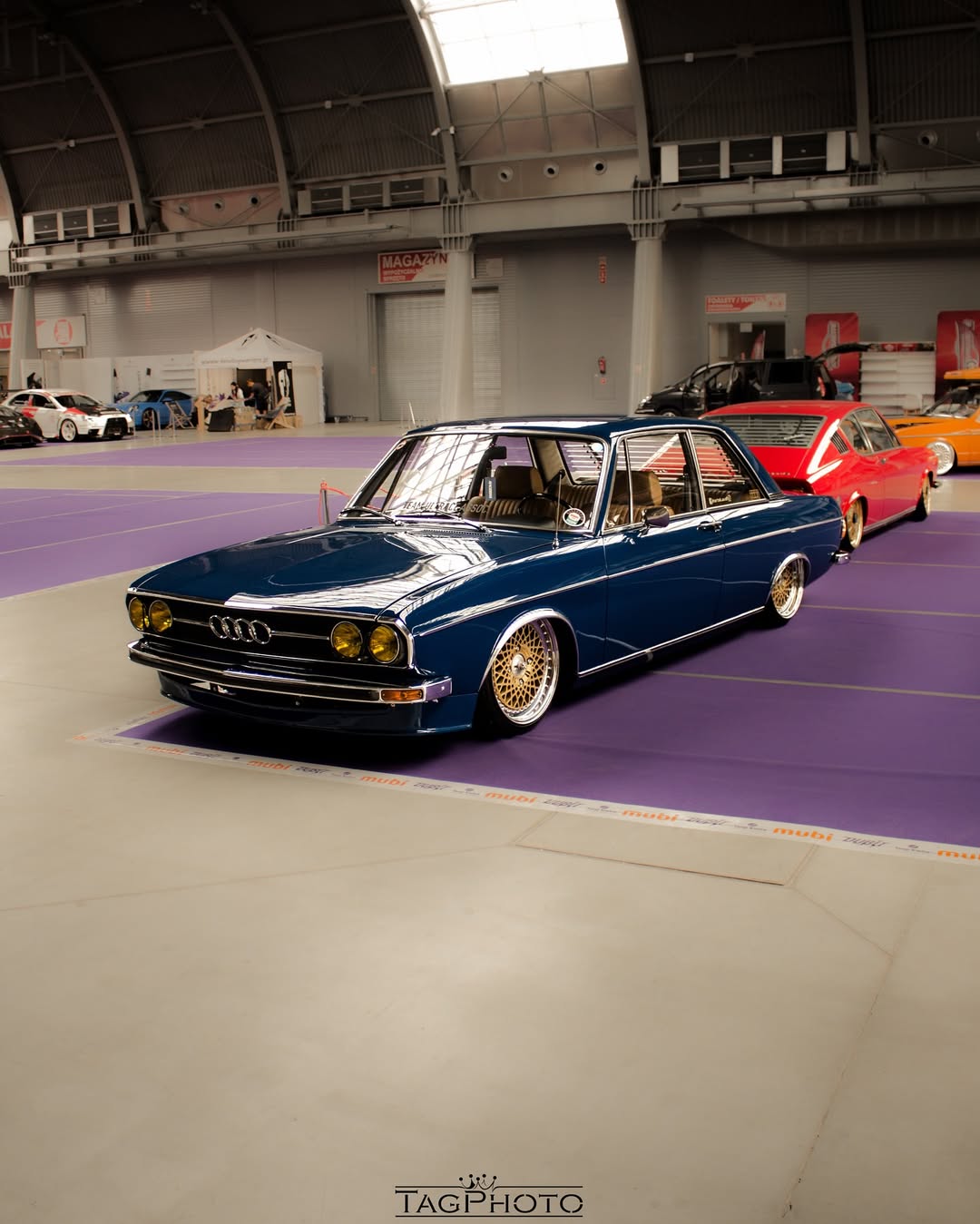

The Sedan That Became a Coupe — And Together They Pulled Off Audi’s Greatest Comeback
A sedan born in secrecy and a fastback coupe that turned boldness into bodywork. The Audi 100 C1 and the Coupé S share the same bloodline — and together, they tell the story of a brand fighting to prove itself before it became a household name.
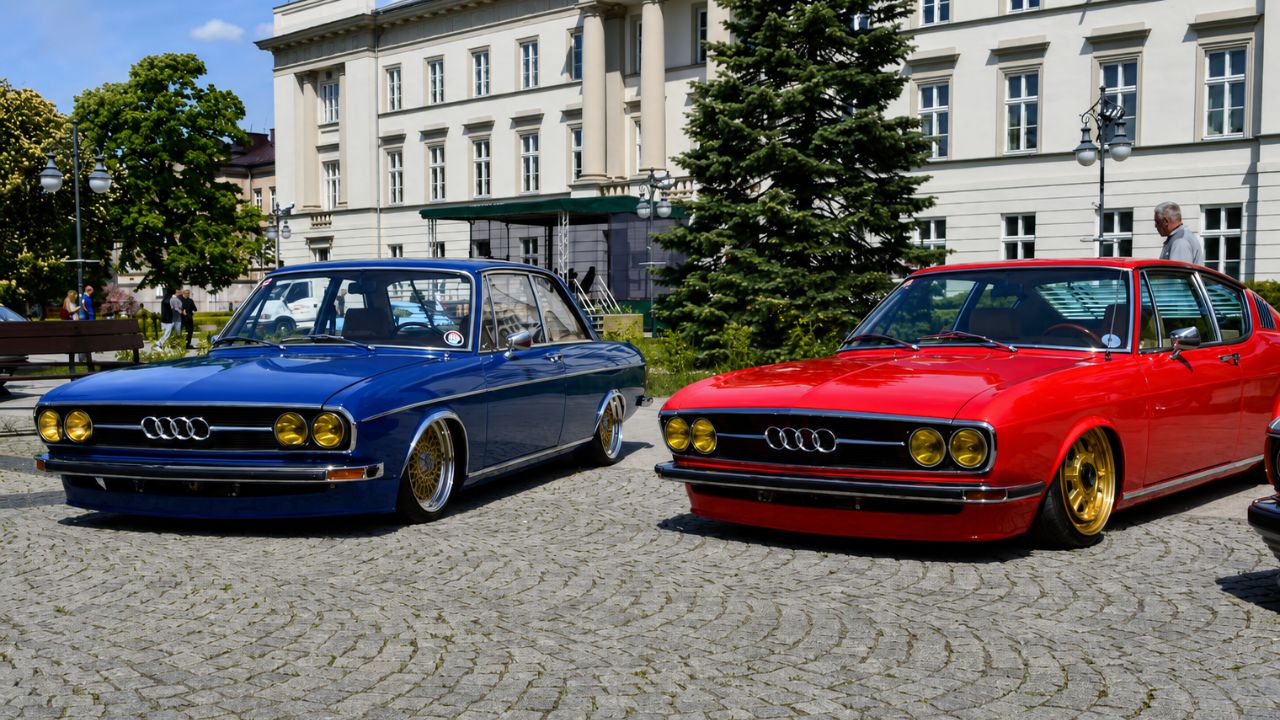
THE AUDI 100 C1 AND THE COUPÉ S: THE FAMILY THAT REWROTE AUDI’S ENTIRE STORY
Some cars age gracefully. Others look like they were designed for a future that hasn’t arrived yet and somehow ended up in the wrong decade. The Audi 100 Coupé S is that second kind.
Unveiled at the 1969 Frankfurt Motor Show and available to buyers from 1970 onward, the Coupé S wasn’t just another variant of the 100 lineup. It was a statement. A bold move from a brand that still had something to prove — and knew it.
THE STORY BEHIND THE CAR
To understand the Coupé S, you need to understand where it came from.
There’s a fascinating backstory to the Audi 100: Volkswagen’s board — which controlled Audi at the time — didn’t want the car to exist. Audi’s management in Ingolstadt developed the project almost independently, presenting a nearly finished car to force approval from the top.
It worked.
Audi’s leadership had projected sales of around 300,000 units for the 100 C1. By the time production wrapped up in August 1976, nearly 797,000 units had rolled off the line.
The Coupé S took that foundation and added soul.
THE C1 SEDAN: PRACTICAL, SPACIOUS, SURPRISINGLY SHARP
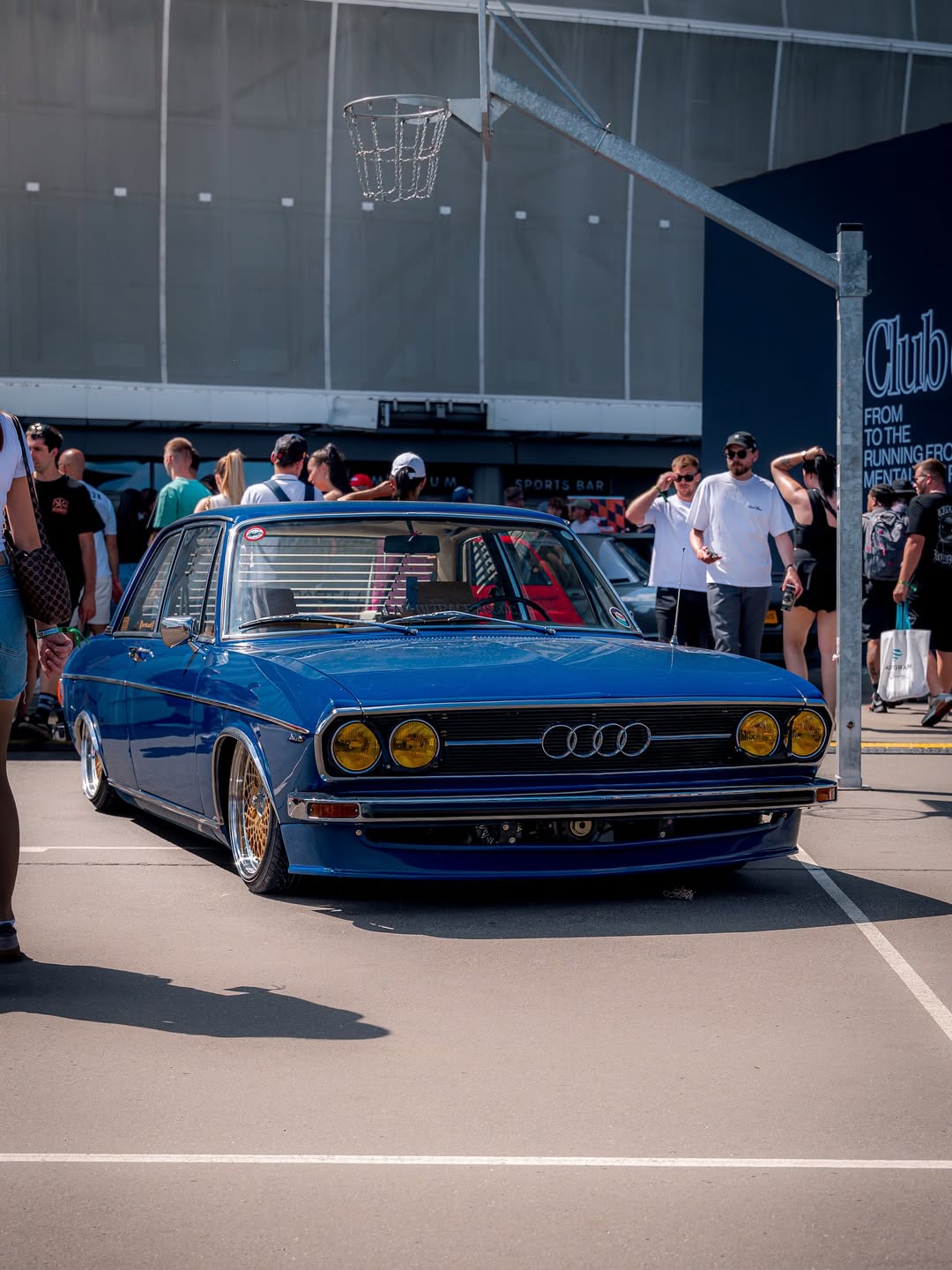
The 100 sedan hit the market in November 1968 with four doors and a clear mission: executive-level comfort at a price point Mercedes-Benz simply wasn’t offering.
Under the hood sat a front-wheel-drive setup built around a four-cylinder engine with five main bearings and 1,760cc displacement, fed by a Solex carburetor with a 10.2 compression ratio and rated at 100 horsepower.
Unlike nearly every competitor at the time, the 100 used front-wheel drive — which meant no transmission tunnel running through the cabin. The result was more usable interior space for passengers, a detail that set it apart immediately.
The engine sat longitudinally ahead of the front axle, with the radiator offset to the left — an unusual layout that would eventually become an Audi signature for decades to come.
Transmission choices were a four-speed manual or a three-speed automatic. Straightforward, reliable, practical.
UPDATES THROUGH THE YEARS
The C1 didn’t stand still.
For the 1972 model year, a new 1,872cc version arrived with a dual-body carburetor, an 8.2 compression ratio, and 91 horsepower. That same engine, in 1975, received Bosch CIS fuel injection and climbed to 95 horsepower.
In 1973, the model received a mild facelift — redesigned taillights, a slightly revised front grille, and subtle exterior tweaks. Nothing that changed the character of the car, just enough to keep it fresh in a decade full of industry shake-ups.
THE COUPÉ S: WHEN THE SEDAN GREW A PERSONALITY
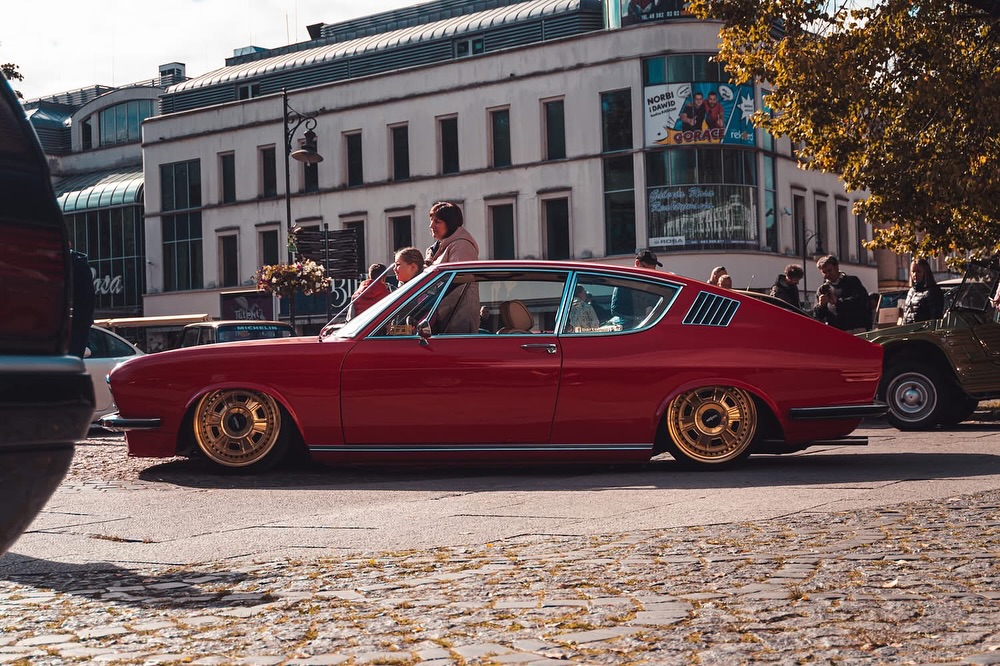
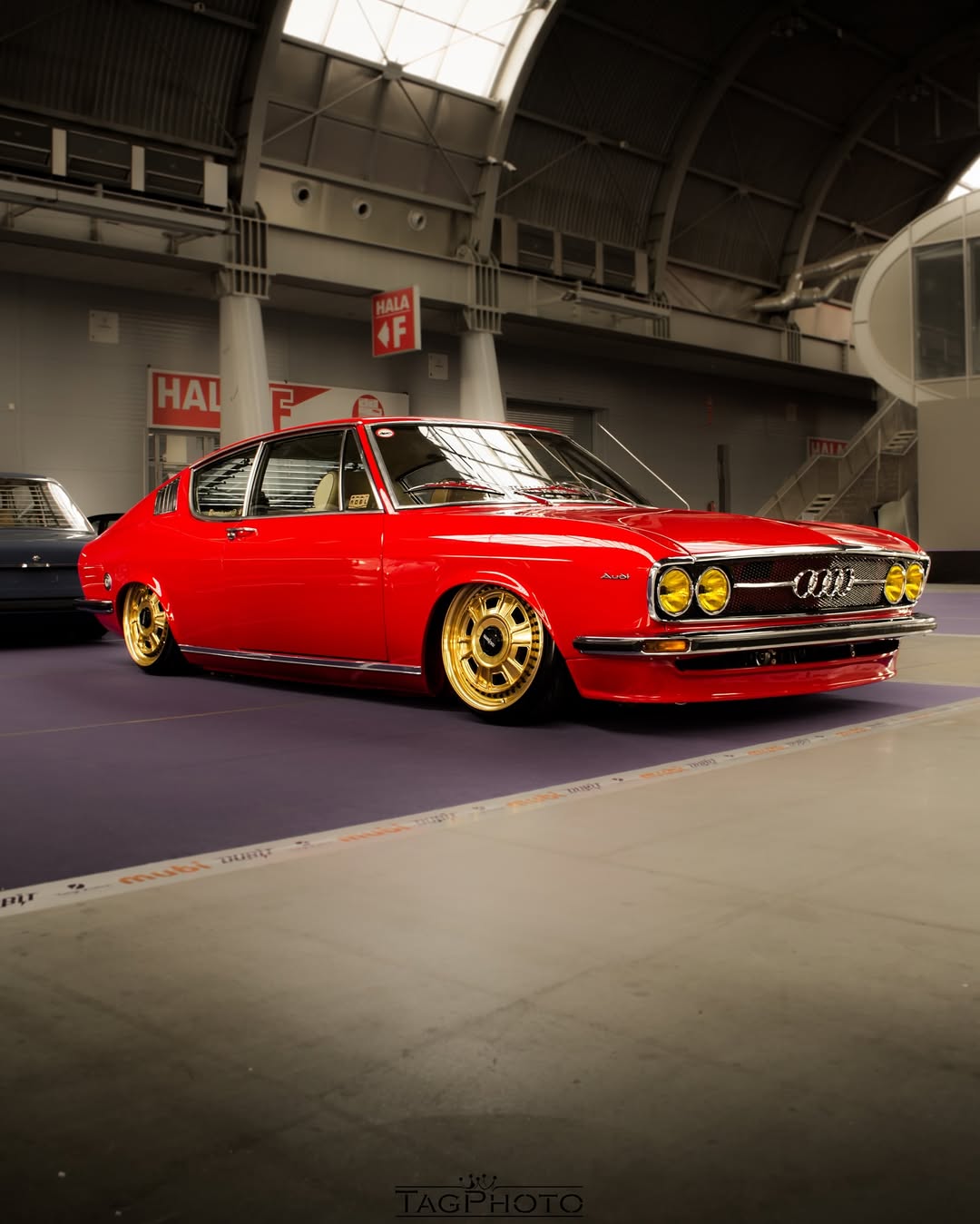
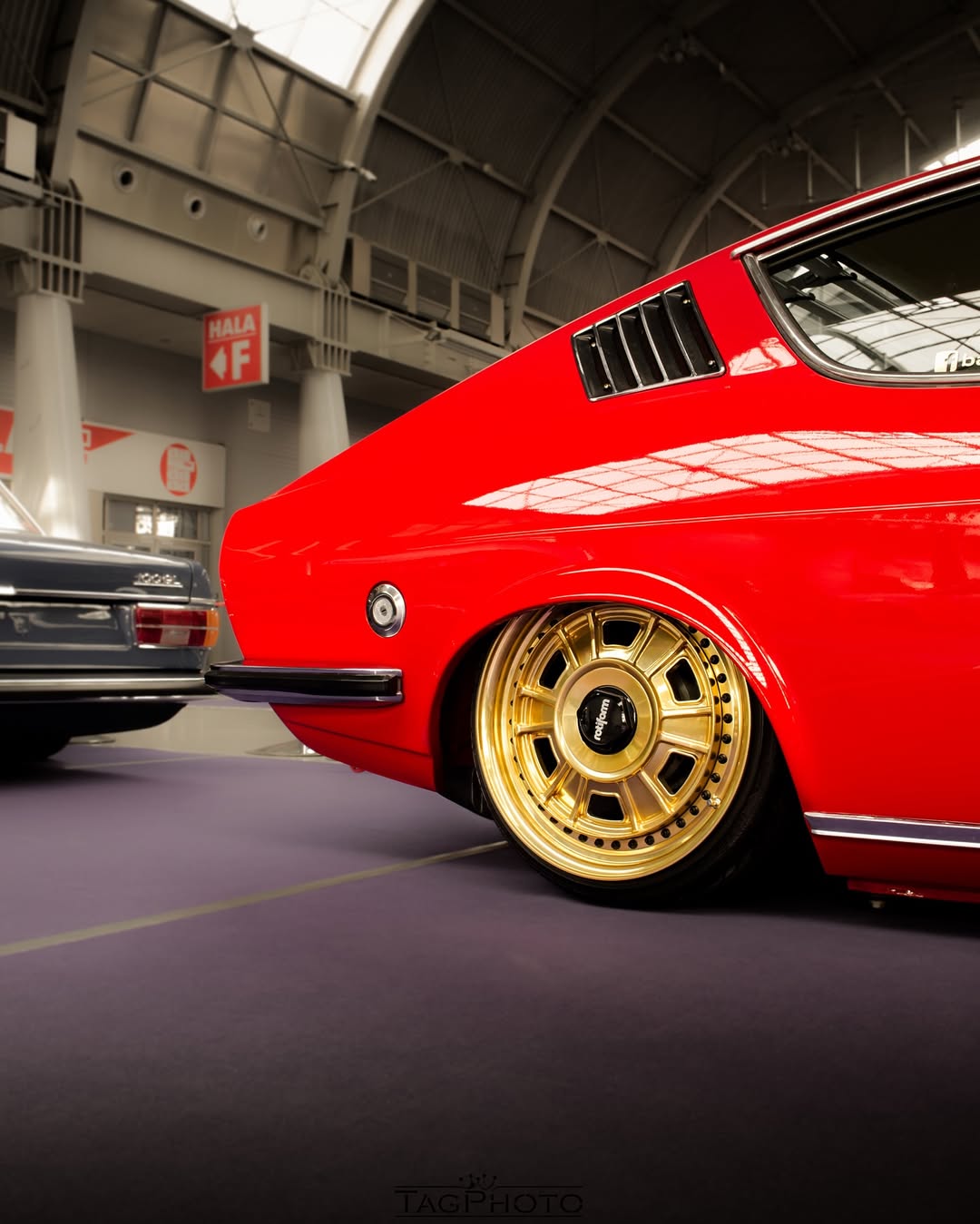
The big news for the 1970 model year was the arrival of the 100 Coupé S — a fastback-bodied variant with an almost entirely unique body shell, a more steeply raked windshield, and integrated air vents built into the wide C-pillars.
Same bloodline as the sedan. Completely different attitude.
Compared to the sedan, the Coupé was shorter (172.8 inches vs. 180.7 inches), wider (68.9 inches vs. 68.1 inches), and lower (54 inches vs. 55.9 inches). It also rode on wider tires — 185/70-14 instead of 165/80-14.
The roofline flowed in one clean, uninterrupted arc from the A-pillar to the tail. A line that looked effortless. Lines that deliberate never are.
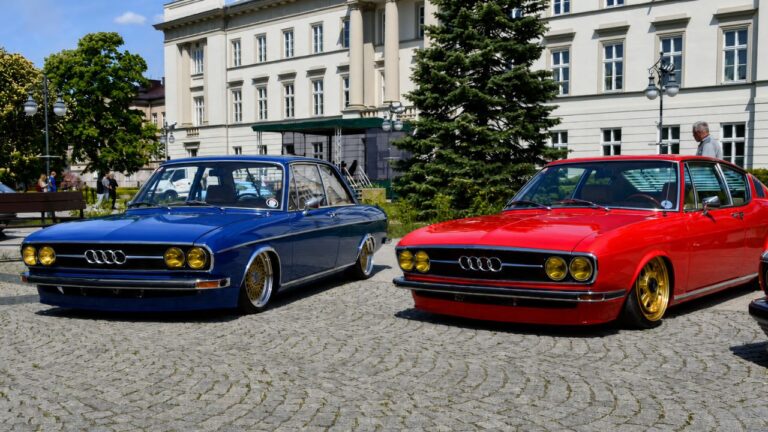
Up front, four round headlights gave the Coupé a distinctive look that separated it immediately from the sedan — a styling cue that Audi would later carry over to the standard 100 body. The coupe leading the way.
COUPÉ S POWERTRAIN: NUMBERS THAT MEANT SOMETHING
The Coupé S ran a 1,871cc four-cylinder engine fed by twin Solex carburetors, producing 115 horsepower — enough to push it from 0 to 60 mph in around 11 seconds and on to a top speed of 115 mph.
For a coupe in 1970, those numbers were genuinely respectable. It was an accessible grand tourer — fast enough to turn heads, refined enough for everyday driving.
Transmission options mirrored the sedan: four-speed manual or three-speed automatic.
EXTERIOR: TWO CARS, TWO DISTINCT CHARACTERS
The C1 sedan carried a quiet, composed presence. Horizontal lines, four doors, balanced proportions. A car that communicated substance without making noise about it.
The Coupé S was something else entirely. Lower, wider, with that roofline dropping all the way back in one clean sweep. The C-pillar vents added a technical edge to the visual. The four round headlights up front completed the look with a symmetry that still holds up today.
Both had one thing in common: they didn’t age. Look at either car today and the weight of five decades simply doesn’t show.
INTERIOR: THE FAMILY’S STRONGEST ARGUMENT
Inside the C1 — sedan or Coupé — the headline was space.
Five adults could ride in genuine comfort. The front-wheel-drive layout, with no transmission hump running through the floor, gave rear passengers legroom that competitors simply couldn’t match at the price.
In the American market, the 100 was marketed as offering roughly the same headroom and legroom as a Rolls-Royce Silver Shadow. A bold claim — but one that tells you everything about what Audi was going for.
Inside the Coupé S, the environment felt slightly more intimate — lower roofline, more angled glass — but still generous for a coupe of the era. The cabin had that German solidity to it: every surface felt considered, nothing felt cheap.
These photos come from an Instagram profile run by a genuine car enthusiast — someone who lives and breathes this stuff every single day. His handle will be at the bottom of this article.
STRENGTHS
Front-wheel drive ahead of its time — while the rest of the industry was still committed to rear-wheel drive, Audi was already delivering better handling balance and superior interior space through this engineering choice.
Timeless design — both the sedan and the Coupé have aged with real dignity. The lines don’t scream any particular decade. They’re too clean for that.
Well-rounded engine lineup — from the base 1,760cc to the Coupé S’s 1,871cc twin-carb unit at 115 horsepower, the family never felt underpowered for what it was.
Interior space above its class — the C1 sedan regularly outperformed larger, more expensive rivals in real-world passenger comfort.
WEAKNESSES
Limited automatic transmission — the three-speed auto was functional but far from satisfying for anyone looking for driver engagement.
Period-correct safety — no electronic aids, no airbags, no modern crash structure. It was a different era, and the car reflects that honestly.
Low Coupé S production numbers — only 30,687 units of the Coupé S were built between 1969 and 1976, making it rare today and increasingly expensive to maintain properly.
Parts availability — finding original components in good condition is a growing challenge for collectors and restorers alike.
THE SUCCESSOR
The Audi Coupe, launched in 1980 on the Audi 80 platform, was the direct successor to the 100 Coupé S. Its bodywork was shared with the legendary Audi Quattro — one of the most important performance cars ever built.
The DNA carried forward. So did the ambition.
From the Coupe GT to the Quattro — all of it traces back, in one way or another, to those fastback lines that first appeared on the Coupé S in 1970.
BY THE NUMBERS
| Audi 100 C1 Sedan | Audi 100 Coupé S | |
|---|---|---|
| Production Years | 1968 – 1976 | 1969 – 1976 |
| Engine | 1,760 / 1,872cc | 1,871cc |
| Horsepower | Up to 100 hp | 115 hp |
| 0–60 mph | ~13 sec | ~11 sec |
| Top Speed | ~106 mph | ~115 mph |
| Length | 180.7 in | 172.8 in |
| Units Produced | ~797,000 | ~30,687 |
FAQ
1. What is the Audi 100 C1? The Audi 100 C1 is the first generation of the Audi 100, produced from 1968 to 1976. It was Audi’s first modern executive sedan, featuring front-wheel drive at a time when that setup was virtually unheard of in the segment.
2. What’s the difference between the Audi 100 C1 and the Audi 100 Coupé S? The C1 refers to the generation and base platform. The Coupé S is the fastback variant of the same family — featuring a more powerful engine, unique body dimensions, and an almost entirely exclusive body shell.
3. How much horsepower does the Audi 100 Coupé S have? The Coupé S produced 115 horsepower from its 1,871cc four-cylinder engine with twin Solex carburetors, good for a top speed of around 115 mph.
4. Does the Audi 100 Coupé S have front-wheel drive? Yes. The entire 100 C1 family, including the Coupé S, used front-wheel drive — an advanced engineering choice for the era and one that would define Audi’s identity going forward.
5. How many Audi 100 Coupé S units were produced? Approximately 30,687 units were built between 1969 and 1976, making the Coupé S a relatively rare find on today’s classic car market.
6. What replaced the Audi 100 Coupé S? The Audi Coupe GT, launched in 1980 on the Audi 80 platform, was the direct replacement. It also shared its body with the iconic Audi Quattro.
7. Did the Audi 100 C1 receive any updates during production? Yes. The 1972 model year brought a new 1,872cc engine. A mild facelift arrived in 1973. And in 1975, the engine received Bosch CIS fuel injection.
8. Why is it called the Audi 100? The name came directly from the top engine’s output — 100 horsepower. A straightforward way to communicate exactly what the car delivered.
9. Was the Audi 100 C1 sold in the United States? Yes, the Audi 100 was marketed in the United States, where it was positioned as an affordable alternative offering Rolls-Royce-rivaling interior space at a fraction of the price.
10. Is the Audi 100 Coupé S worth buying today? For collectors seeking a rare German classic with timeless design and genuine automotive history, absolutely. That said, parts availability is a real concern, specialist maintenance is essential, and well-preserved examples are commanding steadily increasing prices on the classic car market.

Danniel Bittencourt
Danniel Bittencourt He is an automotive expert and enthusiast specializing in vehicle reviews, new releases, and global market trends. He is the founder of the website and the creator behind several YouTube channels dedicated to the automotive world.
Related posts >