THIS IS THE SUBARU WRX JOINING THE GALLERY OF THE INTERNET’S MOST HYPED CARS
The guttural rumble of the boxer engine is unmistakable. Long before its flared fenders carve around the corner, the WRX announces its arrival. But does this rally legend still make sense on modern pavement?
A Stance Built for the Tarmac (and the Dirt)
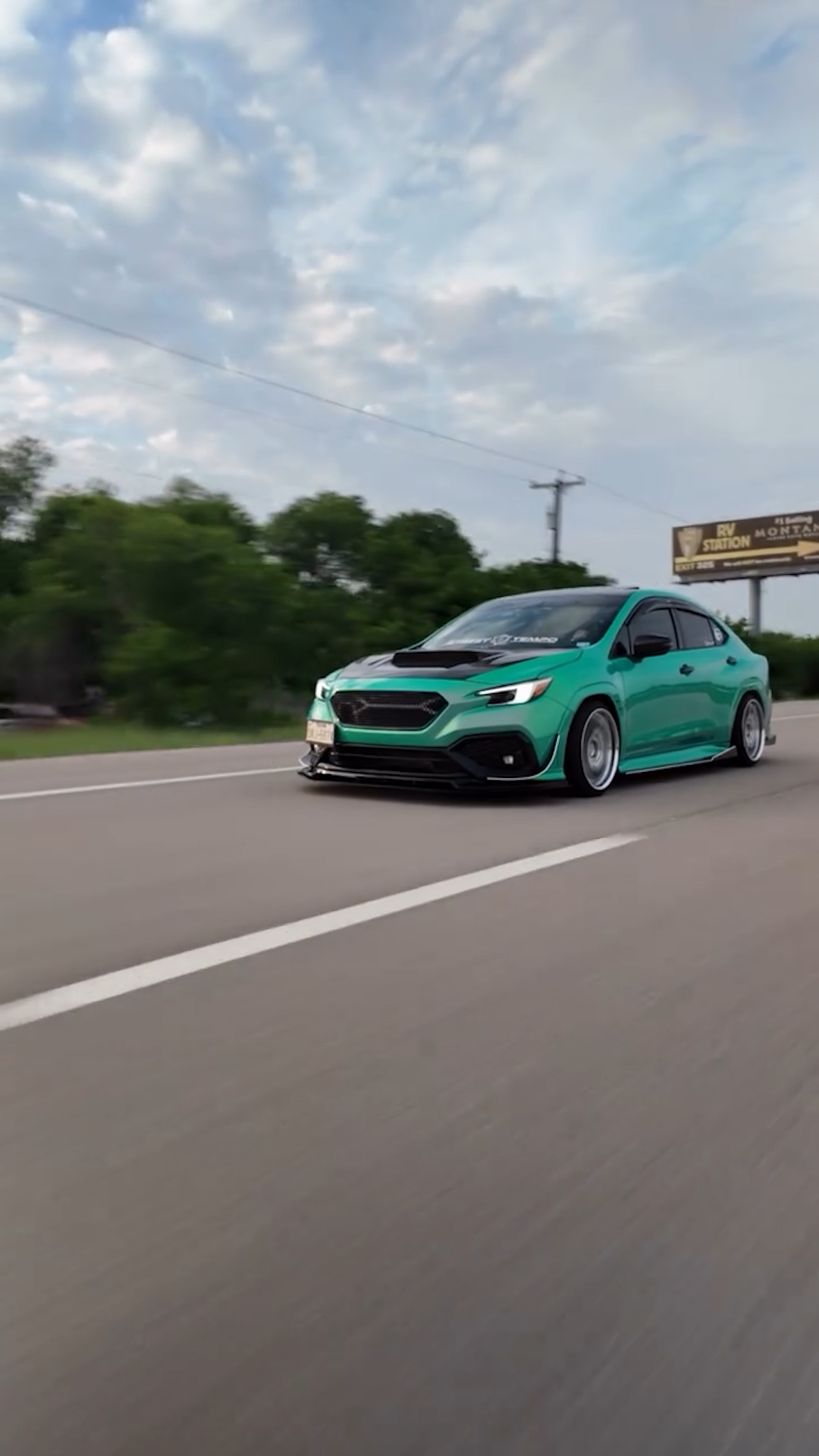
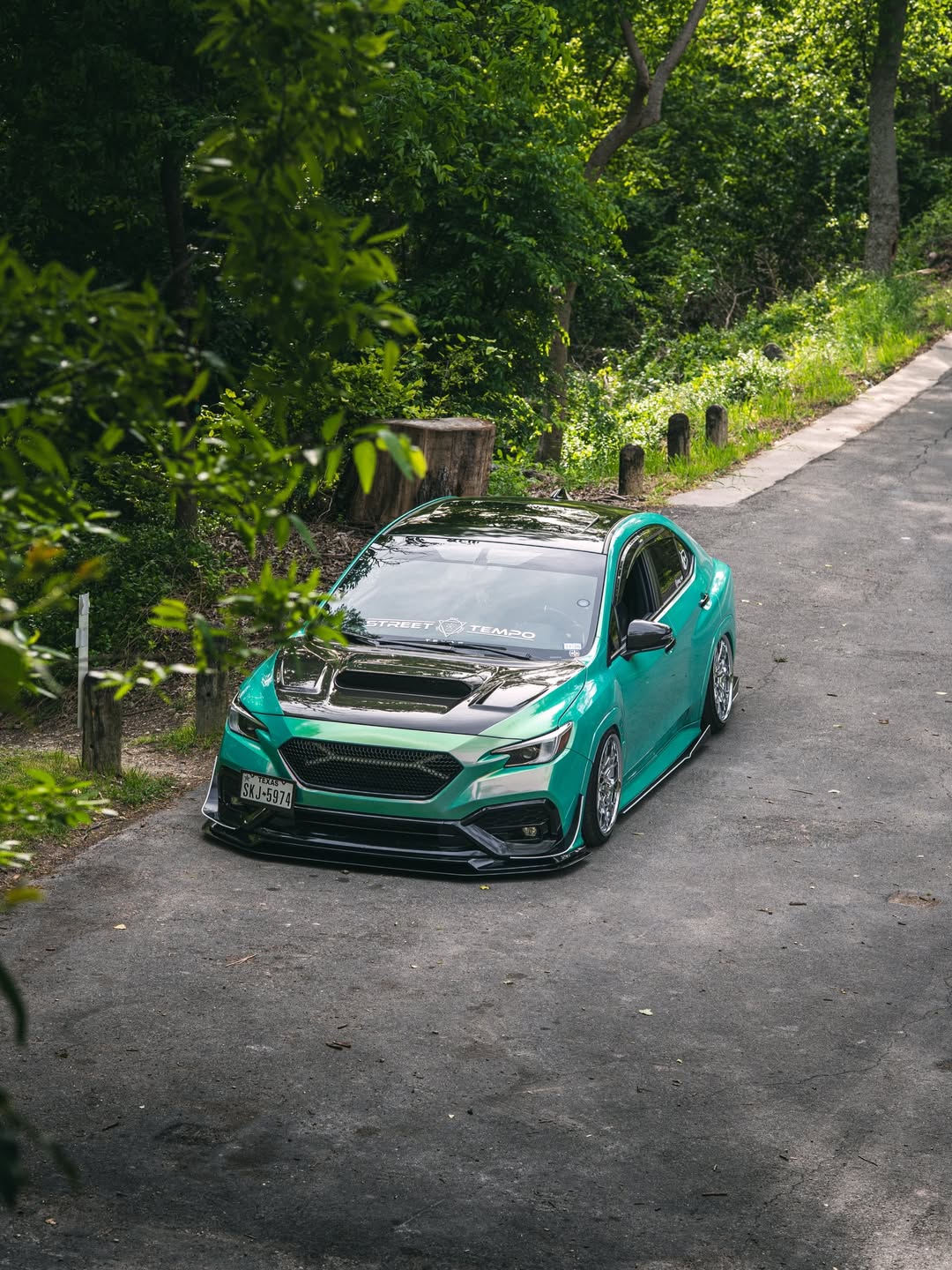
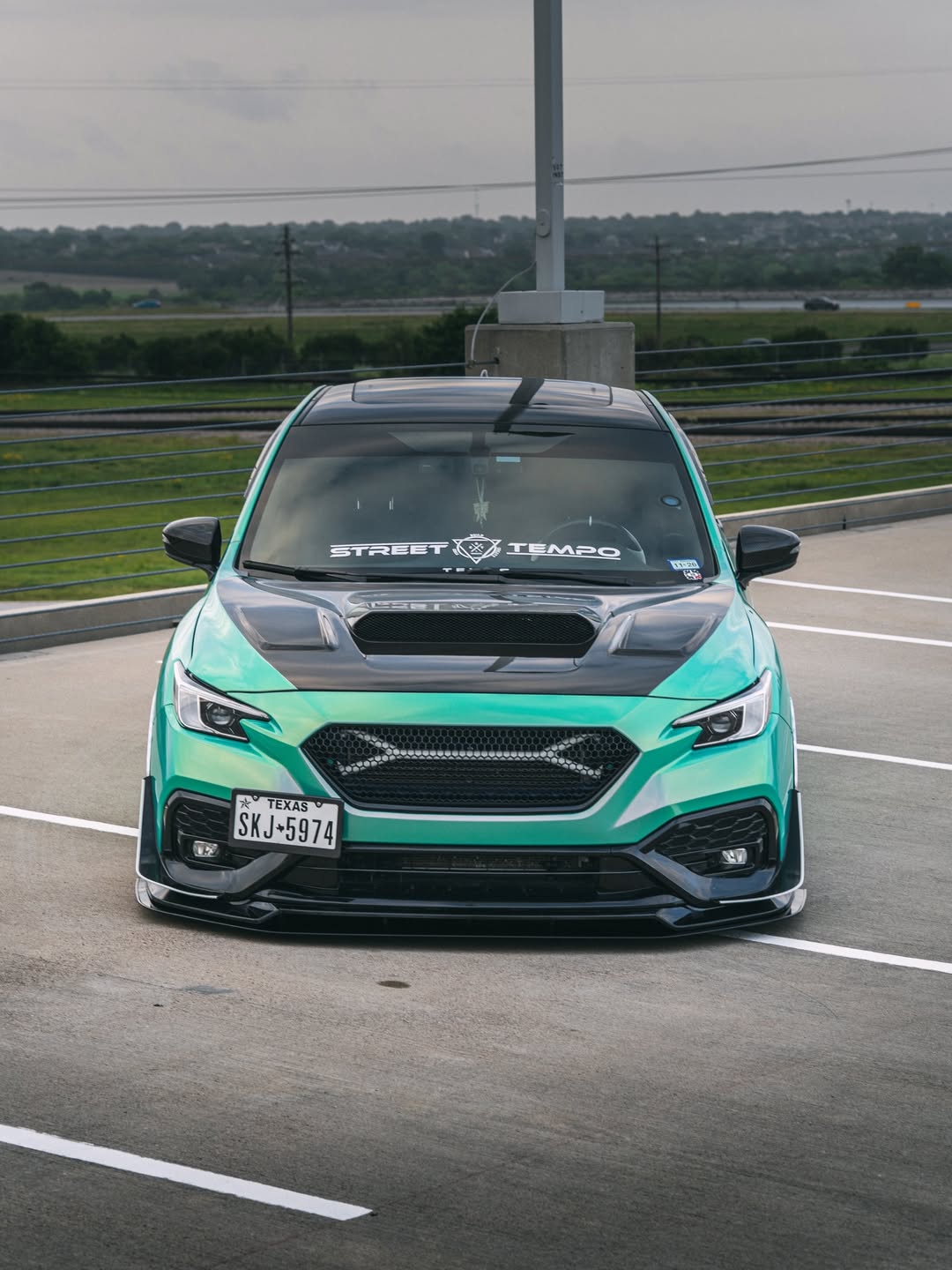
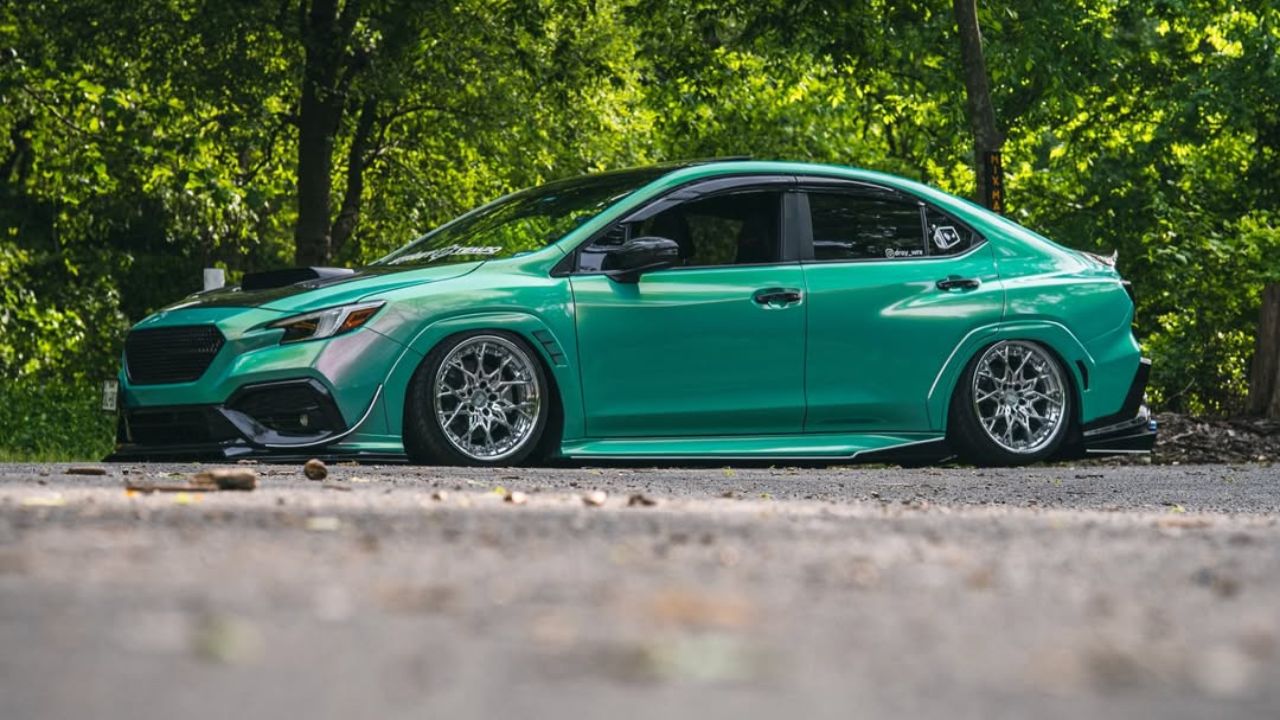
Seeing the Subaru WRX in person is a raw experience. It doesn’t try to be a sleek, polished sedan for executives. Its posture is wide and aggressive, featuring the iconic hood scoop sucking oxygen into the intercooler like a runner taking a deep breath before a sprint.
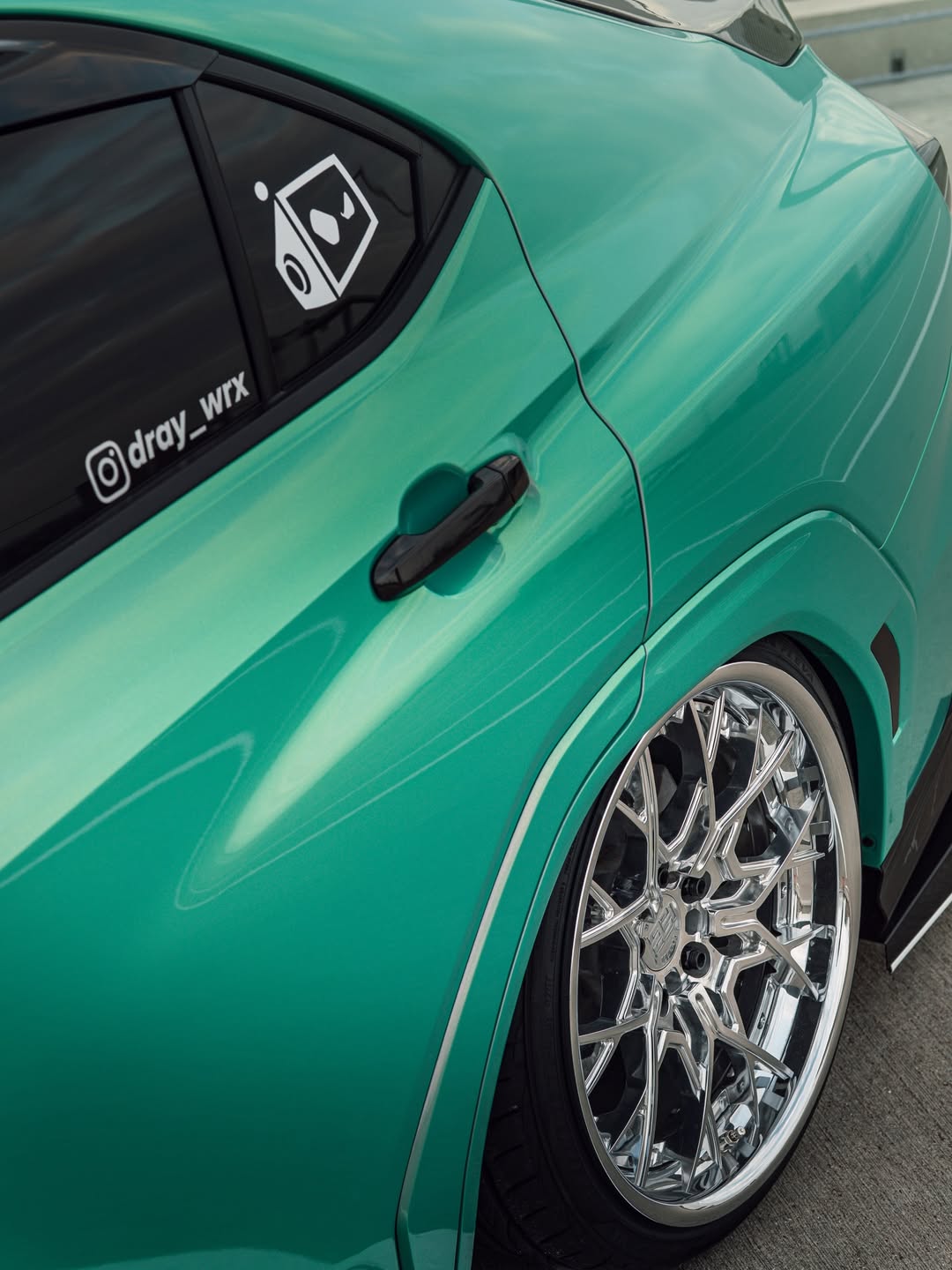
The controversial plastic cladding on the wheel arches of the current VB generation immediately catches the eye. For purists, it was a shock. For the brand’s engineers, it’s functional texture designed to cut aerodynamic drag and prevent gravel scratches. It is the ultimate expression of function over form.
By the way, the brutalist aesthetic you see here truly comes to life outside of perfect photo studios. These images are from the Instagram profile of a true car lover, someone who lives this daily—you’ll find their handle at the end of the article. This is the kind of bodywork that begs for dirt, battle scars, and dust on the fenders.
Mechanics: The Boxer Heart and Symmetrical AWD
Open the door, drop into the bolstered bucket seat, and hit the push-to-start button. The asymmetrical idle of the 2.4-liter turbocharged flat-four sends a mechanical shiver straight through the chassis into your spine. This horizontally opposed layout drastically lowers the center of gravity, gluing the sedan to the pavement in a way few other cars can match.
Pushing 271 horsepower and delivering torque that pins you to your seat at low RPMs, the WRX means business. But the real magic happens when you dive hot into a corner. The Symmetrical AWD system mathematically distributes power to all four wheels with absolute precision. Where others understeer or lose the tail, the WRX simply finds grip.
You can opt for the continuously variable transmission (marketed as the SPT), but the true mechanical joy and visceral engagement live entirely in the six-speed manual gearbox. The clutch is heavy, and the throws are short, demanding a firm hand.
Inside the Cockpit: Function Survives the Test of Time
The interior of the WRX tells you exactly where it came from. Born in Japan, the cabin is hyper-focused on driver ergonomics. The thick-rimmed steering wheel offers a highly tactile and direct grip.
A massive vertical infotainment screen dominates the center stack. It houses most of the climate controls, which might frustrate drivers who prefer physical buttons during spirited canyon runs. The trim mixes soft-touch materials with hard plastics in low-contact areas, proving that the budget was spent underneath the hood and on the chassis, not on unnecessary luxuries.
History, Strengths, and Weaknesses
The WRX started in the 90s as a beefed-up Impreza, eventually carving out its own legendary identity. The shift from the VA platform to the current VB chassis introduced a level of torsional rigidity that makes this sedan feel absurdly dialed-in.
However, there’s an elephant in the room. The extreme spiritual successor, the WRX STI, is dead. The brand decided to kill off the combustion-engine STI for this generation, leaving the standard WRX with the heavy burden of carrying the rally legacy all by itself.
Strengths:
Relentless Grip: The AWD system is a global benchmark.
Tuning Potential: It’s a blank canvas worshiped in the world of modified cars.
Driver Engagement: A raw, mechanical driving experience that is rapidly fading from the market.
Weaknesses:
Poor Fuel Economy: The turbo flat-four and full-time AWD take a heavy toll at the gas pump.
Divisive Design: The heavy use of plastic cladding isn’t for everyone.
No STI Variant: The lack of a high-performance, hardcore trim disappointed longtime fans.
FAQ
What engine does the current Subaru WRX have? The current model uses a turbocharged 2.4-liter flat-four (Boxer) engine, delivering 271 horsepower with a strong focus on low-end torque.
Is the Subaru WRX all-wheel drive? Yes. It comes standard with the brand’s legendary Symmetrical All-Wheel Drive (AWD) system, ensuring massive grip on any road surface or weather condition.
Will there be a new gas-powered Subaru WRX STI? No. The manufacturer confirmed that the current generation will not receive a combustion-engine STI variant, shifting their high-performance focus toward future electrified technologies.
What is the gas mileage of the Subaru WRX? Fuel economy is one of its weak points. In city driving, averages usually hover around 19 MPG, dropping even further depending on how heavy your right foot is and your transmission choice.
Is the Subaru WRX a good daily driver? The suspension is stiff and transmits road imperfections into the cabin, but it’s not unbearable. It makes for a great daily driver as long as you appreciate a firmer, sportier ride.
What is the difference between the WRX and the Impreza? Historically, the WRX was a high-performance trim of the Impreza. Today, it is a standalone model featuring a reinforced chassis, a performance-focused platform, a much more powerful engine, and exclusive styling.
Does the WRX come in manual or automatic? The sports sedan offers both. You can choose between a traditional six-speed manual gearbox or a performance-tuned continuously variable transmission (CVT) known as the Subaru Performance Transmission (SPT).
Why does the new WRX have plastic on the wheel arches? The brand claims the hexagonal texture on the plastic cladding serves an aerodynamic purpose, reducing air turbulence while also protecting the paint from rocks and debris on gravel roads.
Is the Subaru WRX reliable? Like any sports car, it requires strict preventative maintenance. The boxer engine demands high-quality oil and timely changes to avoid premature wear and keep it running strong.
Is it worth buying a Subaru WRX today? It is absolutely worth it if you want a sedan with a pure, old-school feel, a unique exhaust note, and superior cornering dynamics. It’s not the right choice if your main priorities are top-tier luxury or fuel efficiency.

Danniel Bittencourt
Danniel Bittencourt He is an automotive expert and enthusiast specializing in vehicle reviews, new releases, and global market trends. He is the founder of the website and the creator behind several YouTube channels dedicated to the automotive world.
Related posts >