Kia Seltos 2027: The Hybrid SUV That Put the Corolla Cross on Notice
The 2027 Kia Seltos debuts with a brand-new hybrid powertrain, redesigned platform and a dual 12.3″ curved cockpit. Starting under $29K, it targets the Corolla Cross Hybrid and HR-V head-on. Is it worth it?

Por: Danniel Bittencourt
29/05/2026
2027 Kia Seltos HEV X-Line: The Compact Hybrid SUV That’s Rewriting the Segment’s Rules
Kia didn’t refresh the Seltos. They rebuilt it from scratch: new platform, first-ever hybrid powertrain, redesigned cabin and a rear electric motor system that no direct rival offers at this price point.
This is the second generation of the Seltos, internally codenamed Project SP3 and built on the Hyundai-Kia Group’s modular K3 platform. This is not a facelift. It’s a clean-sheet restart.
In the US market, the declared targets are the Toyota Corolla Cross Hybrid and the Honda HR-V. The Seltos slots into a competitive price window between $24,990 and $35,500, positioning itself as one of the most technologically loaded entries among the latest releases in the compact SUV segment.
US dealerships are expected to receive inventory in the final quarter of 2026.
A New Stance: The Compact SUV That Grew Where It Counts
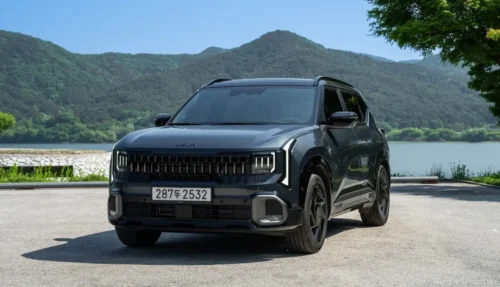
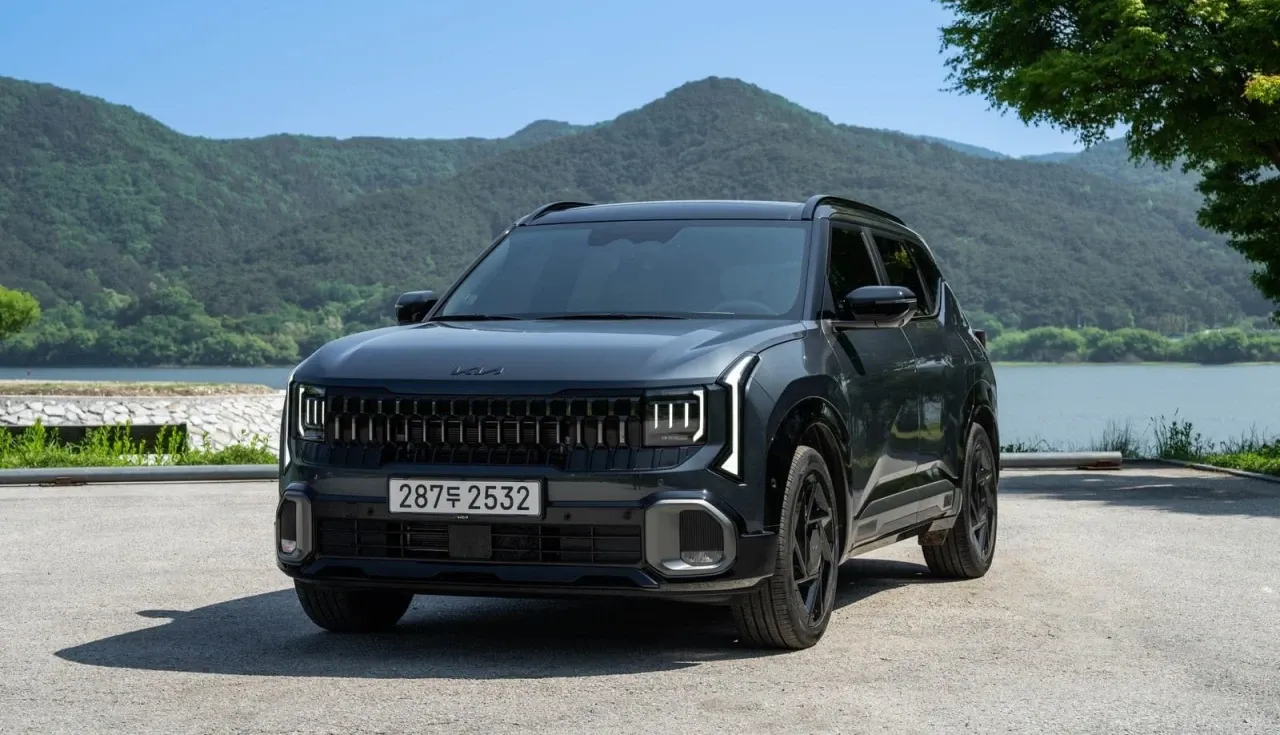
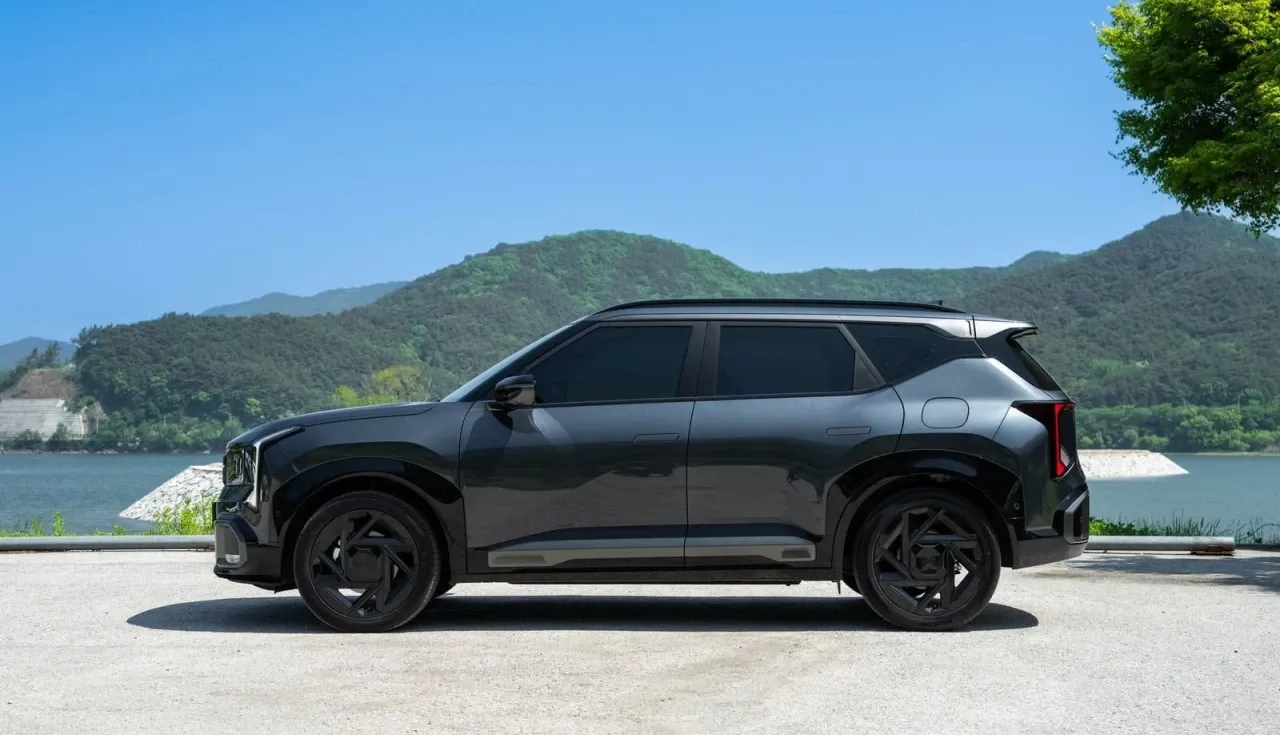
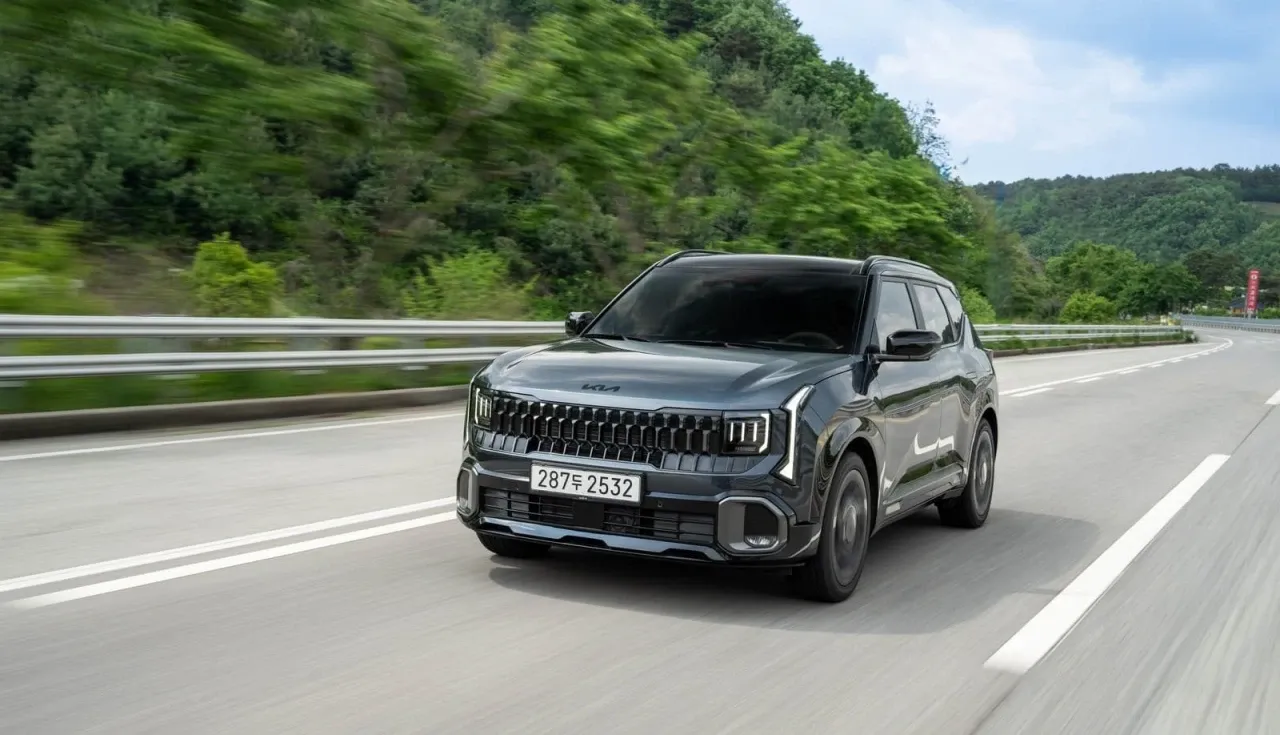
Walking around the 2027 Seltos for the first time delivers an immediate impression: the vehicle is larger, lower-looking and far more assertive than its predecessor. At 174.4 inches long and 72.0 inches wide, it sits at the upper boundary of the compact segment, with proportions that read closer to a mid-size crossover than the understated original.
The front end is completely new. Kia’s Tiger Nose grille has been widened to dominate the entire face of the vehicle. The LED headlights are tucked into square housings at the grille’s outer edges, while the vertical daytime running lights feature the animated Star Map graphic, triggering a welcome sequence as the driver approaches.
In profile, sharp diagonal body creases contrast with flat, sculpted panel surfaces. The flush door handles sit level with the bodywork, contributing to a drag coefficient of 0.31, down from the 0.33 recorded on the previous generation. The 18-inch diamond-cut and graphite alloy wheels are exclusive to the X-Line package.
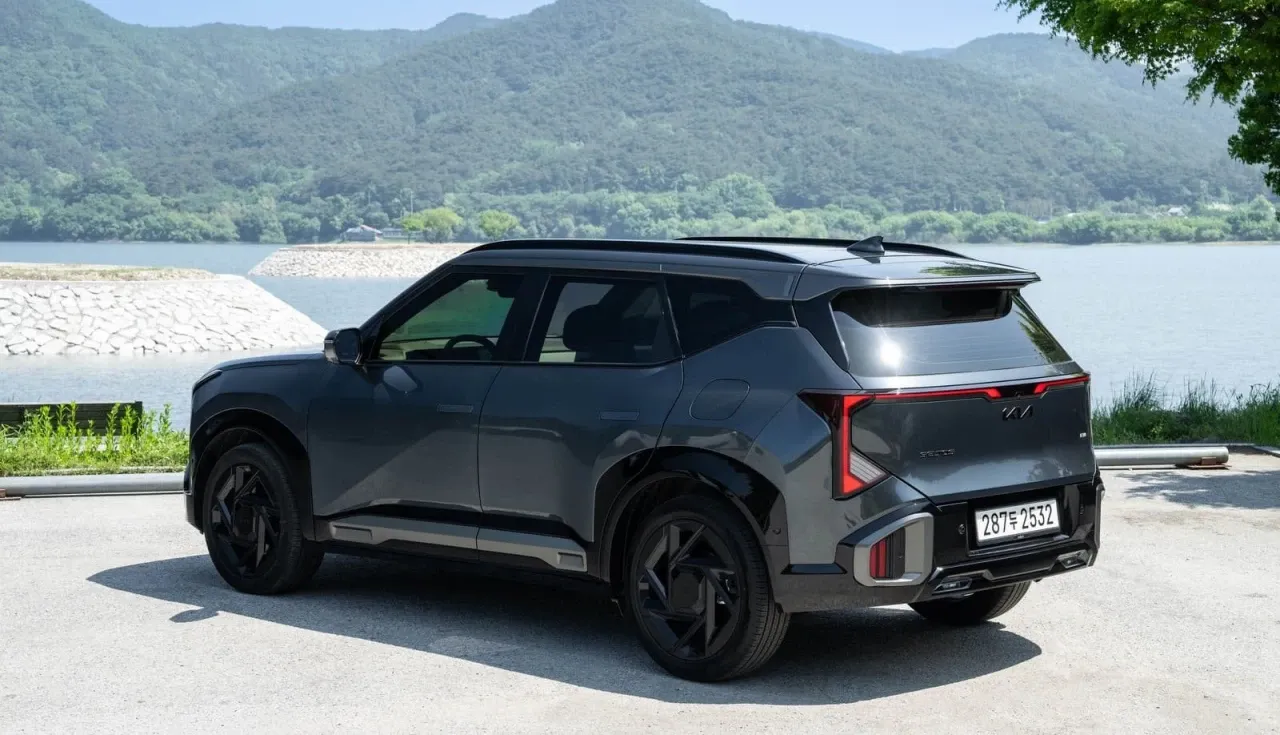
At the rear, the darkened lower bumper cladding, gunmetal accents and reinforced longitudinal roof rails complete a composition that balances urban sophistication with genuine outdoor credibility, without overplaying either card.
The design follows Kia’s Opposites United philosophy, but here it carries real structural intention. Against the previous generation, the departure is unmistakable.
Zero Compromises Inside: The Cabin That Makes Rivals Feel a Generation Behind
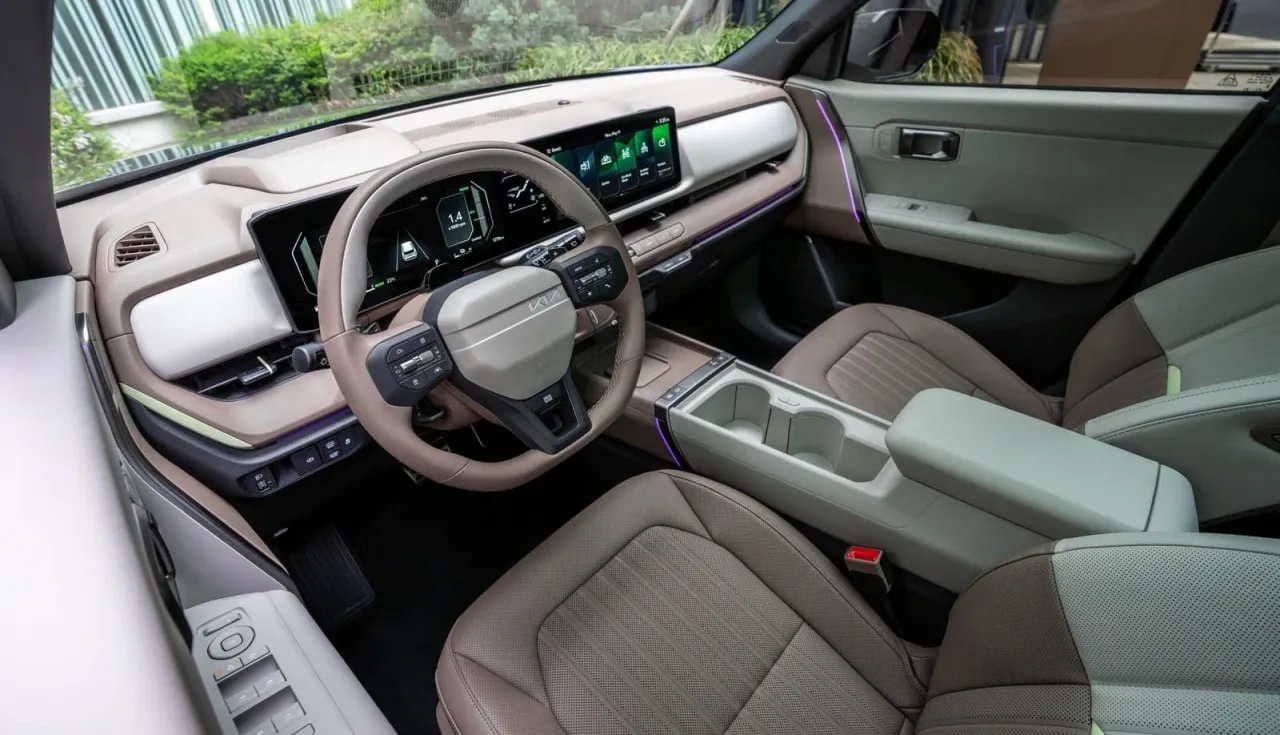
Stepping into the 2027 Seltos creates an immediate shift in expectations. The clean horizontal dashboard architecture and the wide single-glass curved display housing two adjacent 12.3-inch high-resolution screens reposition the interior experience firmly above the compact segment, closer to what buyers expect from a tier higher.
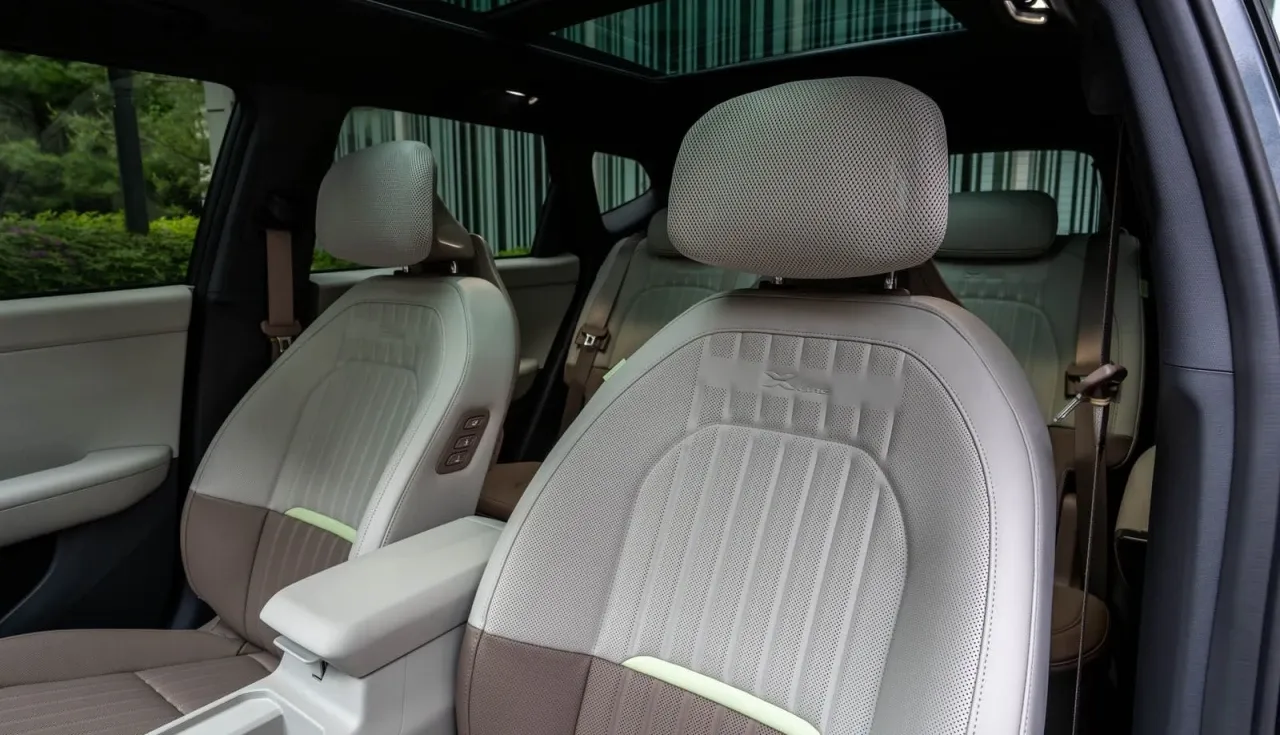
Material quality in X-Line and upper trims includes soft-touch plastics across the upper dashboard and door panels, perforated SynTex synthetic leather seat upholstery and an ambient lighting system with up to 64 color combinations. There is no hard plastic where your hands land, which is a genuine achievement for the price point.
The front seats are wide, well-bolstered and benefit from SynTex upholstery that balances a premium appearance with real-world durability.
Screens, Connectivity and the Cargo Hold That Surprises Everyone
The ccNC infotainment system delivers wireless Apple CarPlay and Android Auto, over-the-air software updates and Digital Key 2.0 via Ultra-Wideband, allowing a compatible smartphone or smartwatch to function as an ignition key. Generative AI integrated into the system accepts natural language commands for vehicle functions and navigation queries.
Directly below the main screens, a dedicated 5-inch climate control panel retains physical rocker switches for temperature and fan speed, a deliberate ergonomic decision that cuts driver distraction without sacrificing function.
Rear passengers get seats that recline up to 24 degrees and 100W USB-C ports built into the front seatback. Legroom increased by roughly one inch compared to the previous generation, thanks to the 105.9-inch wheelbase.
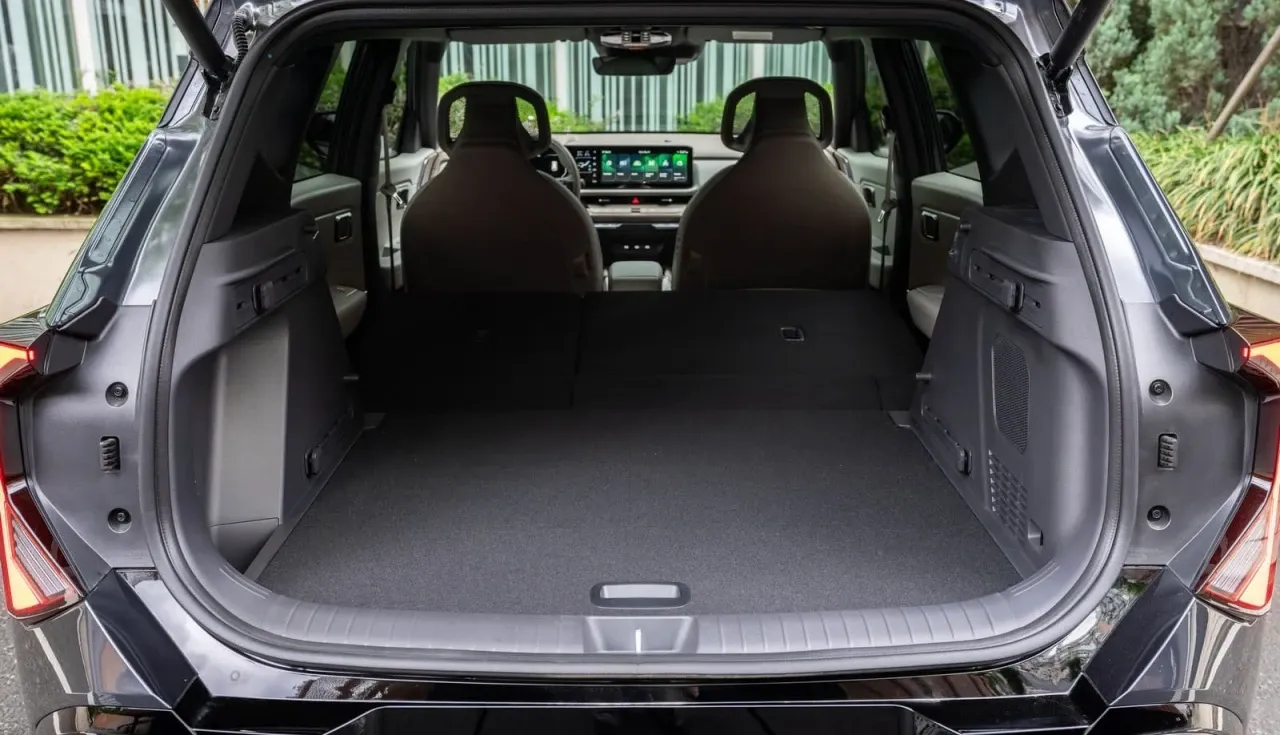
Cargo volume stands at 28.0 cubic feet with all five seats occupied. Drop the rear bench and that figure expands to a remarkable 64.0 cubic feet, a number that belongs in a full mid-size SUV, not a compact.
Undisputed cabin strength: cargo volume and rear passenger space put the Seltos in a different conversation from its direct rivals.
Real limitation: on e-AWD configurations, the rear electric motor eliminates the full-size spare tire. The vehicle ships with a tire repair kit only, which becomes a serious inconvenience on deteriorated road surfaces far from a dealership.
Under the Hood: What the Hybrid System Actually Does on the Road
The core powertrain of this analysis is the HEV system built around the 1.6L Kappa PE direct-injection gasoline engine, working in tandem with a permanent magnet synchronous electric motor producing 43 HP. Combined output in front-wheel-drive configuration is 141 HP and 195 lb-ft of torque. In e-AWD specification, with the additional rear-axle electric motor, total output climbs to 179 HP while torque holds at 195 lb-ft.
The boldest engineering decision was pairing this hybrid system with a 6-speed dual-clutch transmission, the 6DCT, rather than an e-CVT like Toyota uses. The real-world result is immediate: gear changes are crisp, the connection to the road is more engaging and the dreaded rubber band effect, that constant engine drone associated with CVT hybrids under acceleration, is simply absent. The electric motor fills torque during gear changes, eliminating the low-speed lurching that has historically plagued DCT-equipped vehicles in stop-and-go traffic.
Around town, the package is genuinely impressive. Mixed-cycle testing recorded figures between 46 and 52 MPG in hybrid combined mode, against just 30 MPG for the base 2.0-liter naturally aspirated version with CVT.
The caveat surfaces on highway passing maneuvers above 60 mph. Once the electric assist fades, the 1.6-liter combustion engine carries the full load of moving a vehicle that weighs between 2,937 and 3,186 lbs depending on configuration. Experienced automotive journalists who tested pre-production units in Australia and South Korea documented this consistently: the power delivery goes noticeably flat at the top of the rev range when demanding full acceleration at highway speeds.
For the US market, both FWD and e-AWD configurations are expected to be available, with e-AWD coming standard on X-Line SX and upper trims.
Specs at a Glance: 2027 Kia Seltos HEV X-Line
| Specification | Official Data |
|---|---|
| Engine | 1.6L GDI HEV + synchronous electric motor (43 HP) |
| Maximum Output | 141 HP (FWD) / 179 HP (e-AWD) |
| Peak Torque | 195 lb-ft |
| Transmission | 6-speed dual-clutch (6DCT) |
| 0–60 mph | Not officially disclosed |
| Fuel Economy | 46–52 MPG combined (EPA projected) |
| Cargo Volume | 28.0 cu-ft (seats up) / 64.0 cu-ft (seats folded) |
| Curb Weight | 2,937–3,186 lbs (depending on configuration) |
MSRP, Insurance and the Real Cost of Ownership
The 2027 Seltos pricing structure covers a wide range of the compact SUV market. The entry-level LX FWD with the naturally aspirated 2.0-liter opens at $24,990 MSRP, with destination and handling fees bringing it to approximately $26,485.
The hybrid variants occupy a justified premium tier. EX HEV and S HEV trims are estimated between $28,500 and $32,500. The X-Line SX HEV e-AWD, the configuration analyzed in this report, reaches the top of the range at $32,790 to $35,500 depending on two-tone paint selection and advanced driver assistance packages. (Market estimates based on official MSRP structure and segment positioning)
On insurance premiums, the Seltos HEV operates in two opposing directions. The standard presence of autonomous emergency braking and blind-spot monitoring with lane intervention lowers the actuarial risk profile, which translates into premium discounts from major carriers. On the other hand, the Star Map DRL assembly and the radar units embedded behind the X-Line’s gunmetal bumper cladding carry high replacement costs. Any front or rear collision claim will reflect that in the deductible.
Maintenance costs deserve close attention beyond the initial purchase. The 6DCT dual-clutch transmission, unlike Toyota’s near-indestructible planetary e-CVTs, requires periodic fluid changes and software recalibration. Projections suggest that between 80,000 and 120,000 miles, cumulative maintenance costs will track above the compact SUV segment average. That needs to be factored into any long-term financing calculation.
The ownership upside comes from residual value. Hybrid SUVs in this segment have demonstrated stronger retained value curves compared to ICE equivalents, partly driven by tightening urban low-emission regulations in major metropolitan areas. Kia’s powertrain warranty in the US covers 10 years or 100,000 miles, which removes battery anxiety from the equation for most buyers.
The ideal buyer profile is the urban or suburban professional driving between 1,000 and 1,500 miles monthly who wants real-world fuel savings and Level 2 autonomous driving technology without crossing into the pricing territory of European premium compact SUVs.

FAQ: What to Know Before You Sign
What is the real-world fuel economy of the 2027 Seltos HEV?
Journalist testing in mixed conditions recorded between 46 and 52 MPG combined. In predominantly urban use, with the battery regenerating through braking cycles, figures trend toward the higher end of that range.
Are maintenance costs high on the Seltos HEV?
Beyond 80,000 miles, the 6DCT dual-clutch transmission requires attention and will push maintenance costs above the segment average. The HEV battery pack carries a 10-year/100,000-mile warranty in the US market.
Who are the main direct competitors in the US?
Toyota Corolla Cross Hybrid, Honda HR-V, Subaru Crosstrek and, depending on final pricing, the Ford Escape Hybrid in upper trims.
Does the 2027 Seltos come with a full-size spare tire?
No. On e-AWD configurations, the rear electric motor occupies the spare tire well. The vehicle ships with a tire inflation and repair kit as standard.
CarrosBemMontados Verdict: Does the Seltos HEV Belong in Your Garage?
The 2027 Seltos is a rational purchase wrapped in genuine emotional appeal. The hybrid-plus-DCT engineering delivers something meaningfully different from the Japanese competition, and the interior space is a legitimate outlier for the segment.
That said, it is not the right vehicle for everyone. Buyers who spend significant time on open highway, need a full-size spare in the trunk or prioritize suspension compliance on long interstate runs will encounter real limitations in daily ownership.
For the urban and suburban driver covering 1,000 to 1,500 miles a month who wants class-leading technology with a return at the pump, the Seltos HEV makes the strongest case in the compact segment for 2027.
An SUV that grew in everything that matters, and prices itself accordingly.
What do you think: does the 2027 Kia Seltos HEV X-Line justify its $35,500 ceiling against the Corolla Cross Hybrid, or would you rather stay with Toyota’s proven reliability? Drop your honest take in the comments below.
Share this article
Related posts