Lexus ES 350h 2026: Why It Beats the BMW 5 Series and Mercedes E-Class
The 2026 Lexus ES 350h delivers 244 HP, a redesigned platform and tech German rivals can’t match. Is the MSRP worth every dollar?

Por: Danniel Bittencourt
27/05/2026
2026 Lexus ES 350h: The Hybrid Sedan That Rewrote the Brand’s Own Rulebook
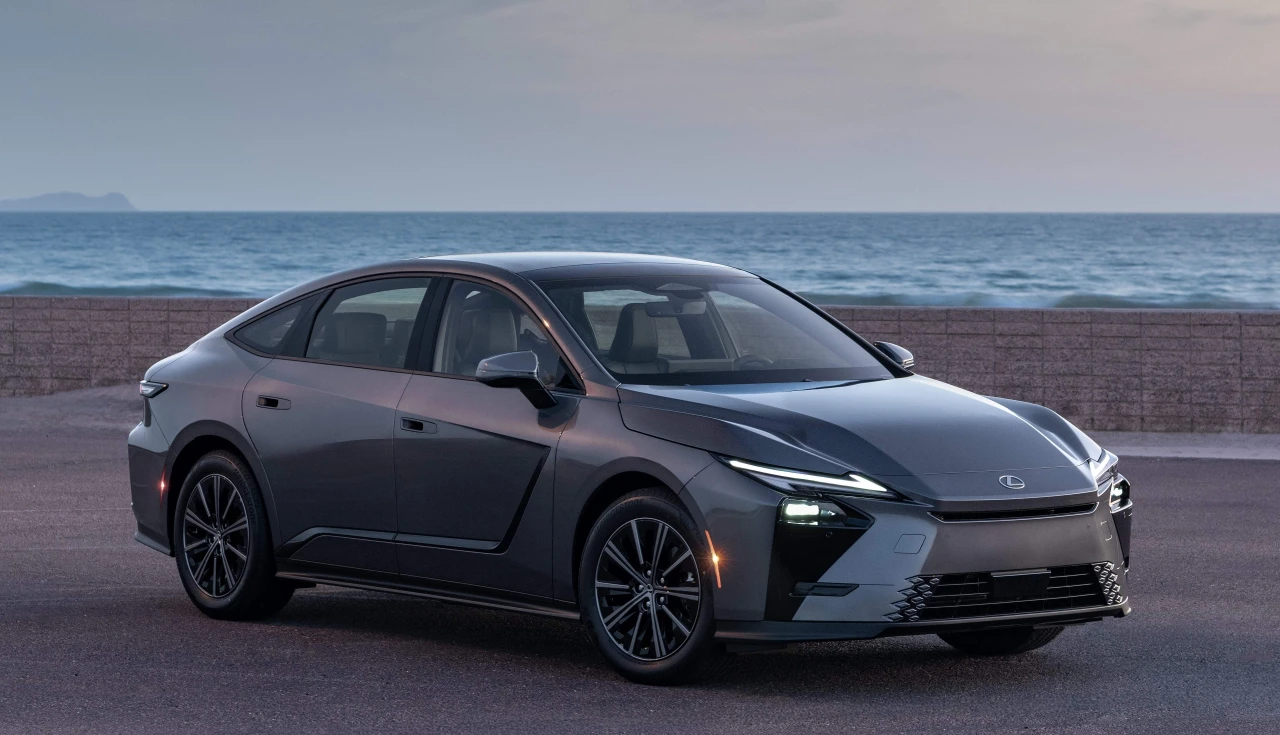
Lexus just pulled the rug out from under its own legacy. The 2026 ES 350h arrives as a ground-up new generation — longer, more tech-forward and powered by a sixth-generation hybrid system producing 244 HP without ever needing a charging cable.
This is the eighth generation of the ES, built on a pioneering platform engineered to accommodate both hybrid powertrains and full battery-electric architectures. A calculated bet by Toyota to stay relevant as global markets shift at uneven speeds.
The declared targets are the BMW 5 Series and the Mercedes-Benz E-Class. And for the first time in years, the Japanese sedan walks into that fight with the engineering and visual presence to make it a real contest.
In the US market, the ES 350h slots into a segment where long-term ownership costs, post-warranty reliability and residual value increasingly matter as much as badge prestige.
The Executive Sedan That Threw the Brand’s Design Handbook Away
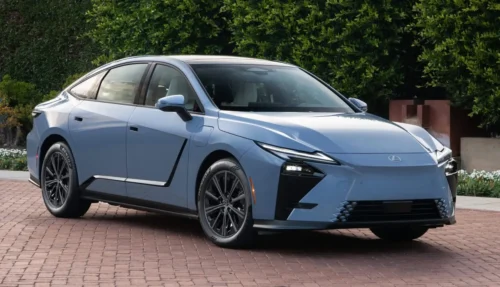
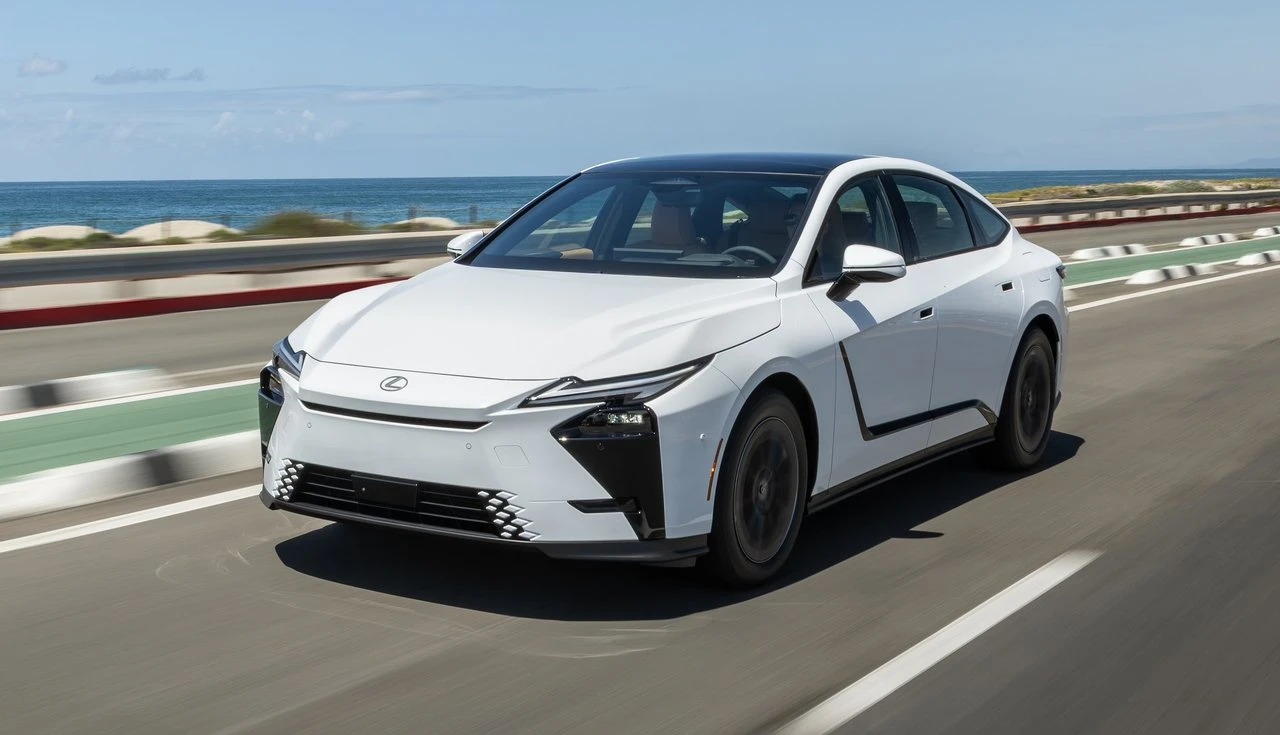
Up front, the first thing you notice is what’s gone. The oversized spindle grille that polarized opinion for a decade has been replaced by a “spindle body” concept sculpted directly into the bumper surface — tighter, more aerodynamic and significantly more modern. Dual LED headlights in an L-shaped signature frame the new face with precision.
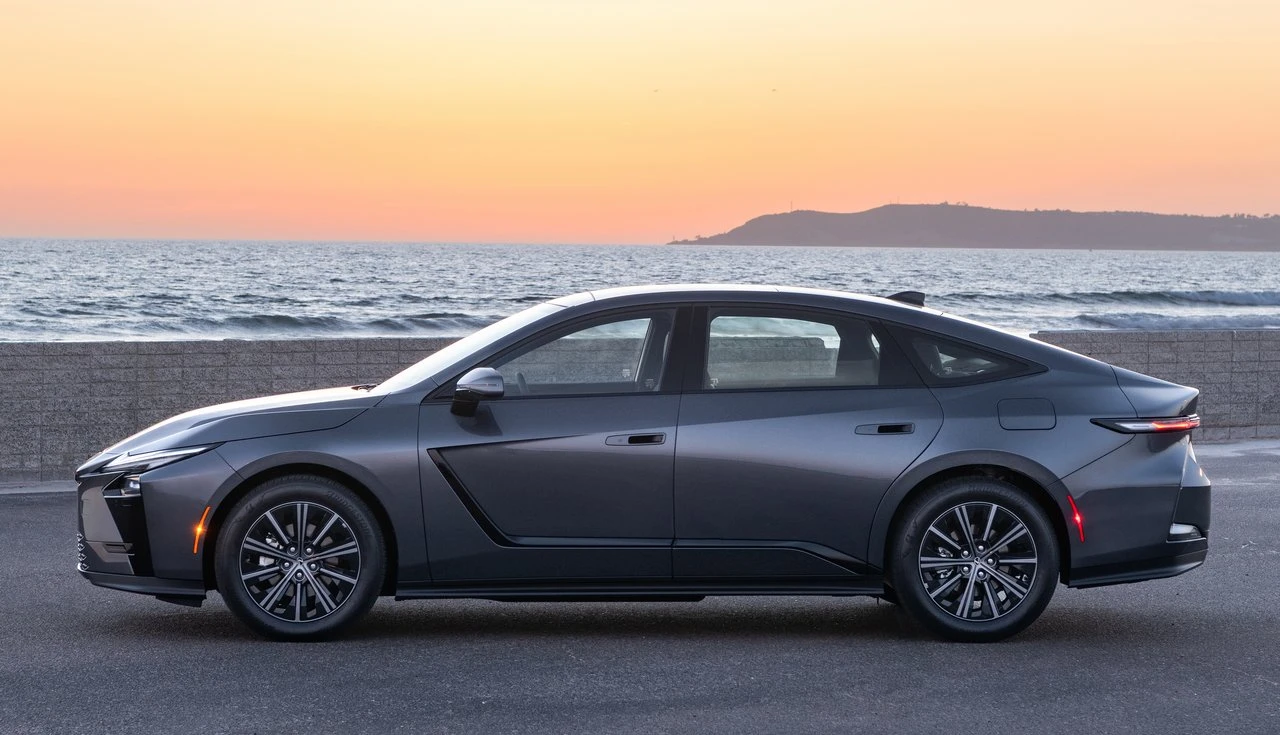
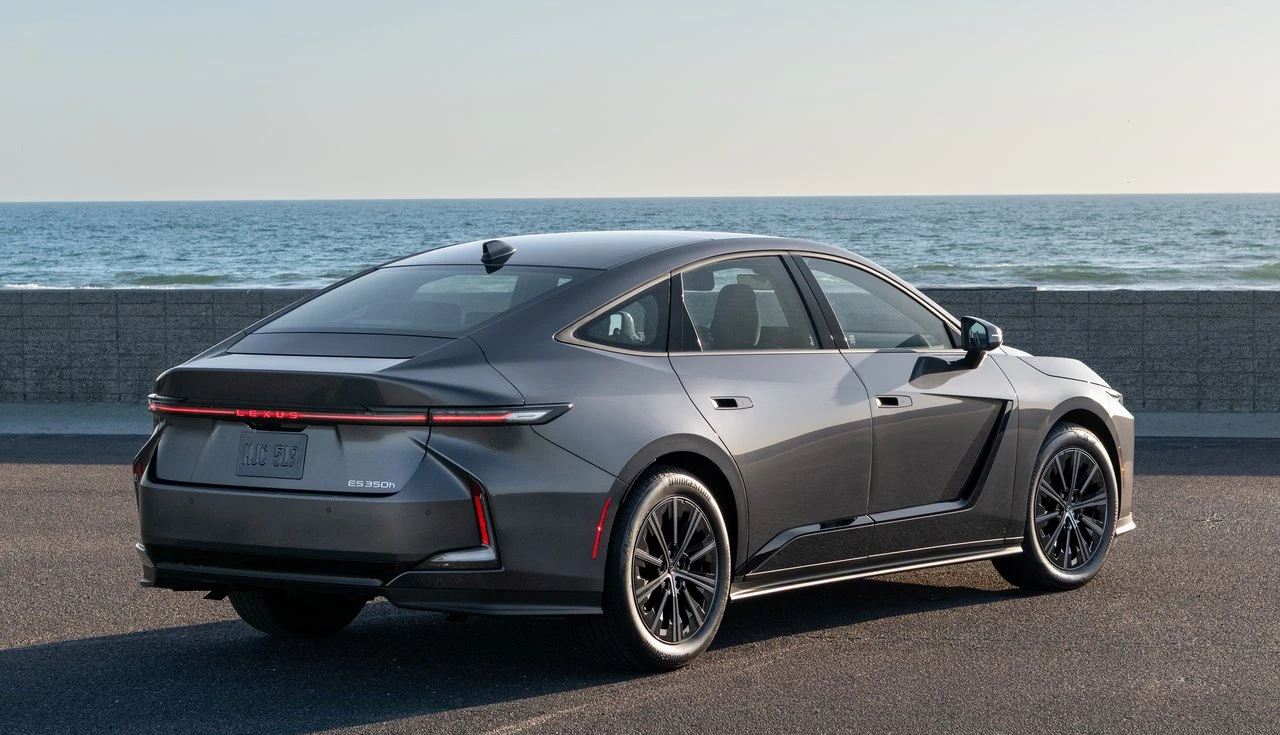
From the side, the sheer scale commands attention. At 202.4 inches bumper to bumper — a 6.5-inch stretch over the outgoing car — this is a proper executive-segment sedan now. The 75.6-inch width plants it firmly on the road, and the deep geometric creases running down the doors bring a folded-metal tension to the bodywork.
The 19-inch alloy wheels are aerodynamically optimized by design, with integrated plastic deflector covers. Top trims unlock 21-inch multi-spoke options.
Out back, the “Lexus Blade” LED light bar runs the full width of the trunk lid — no extra chrome, no unnecessary elements. Clean, intentional, final.
None of that volume hurt the aerodynamics. A drag coefficient of Cd 0.25 is genuinely impressive for a sedan stretching nearly 17 feet. The overall impression is calculated elegance — it doesn’t shout, but it owns every room it parks in.
Inside the ES: When Japan Decides That Luxury Means Silence and Screen Space
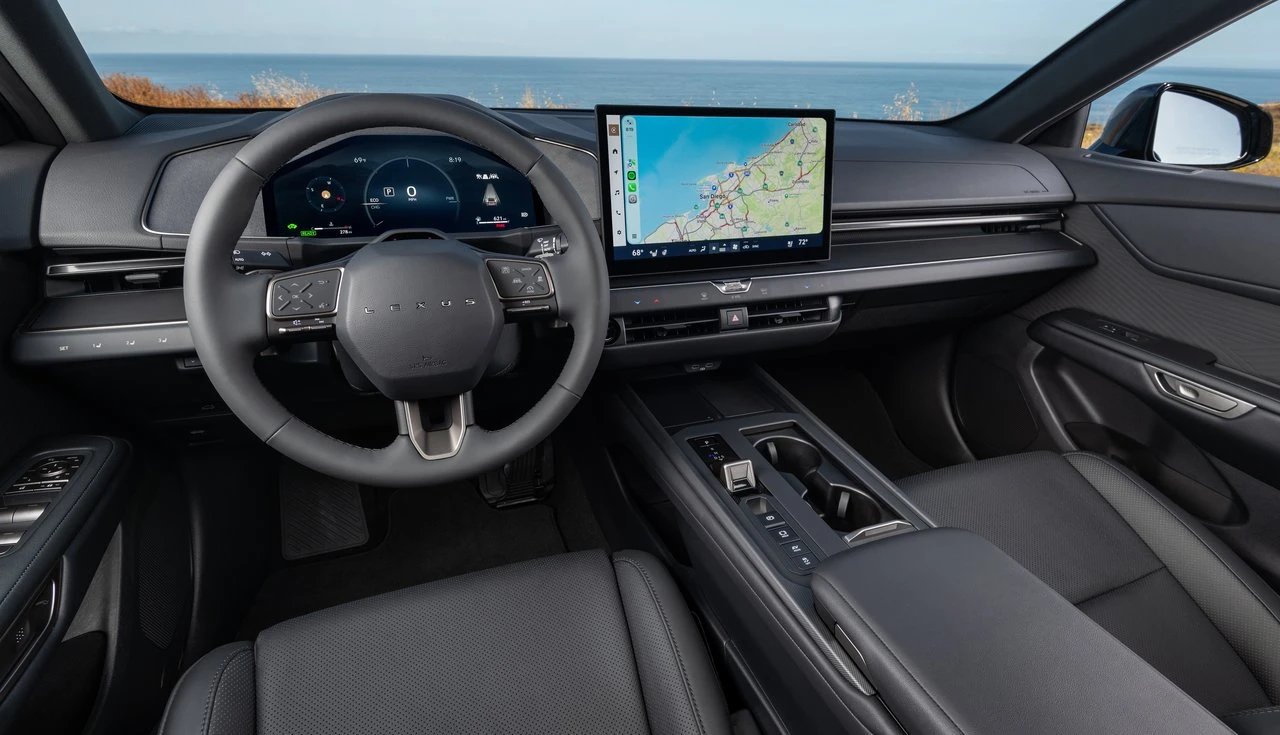
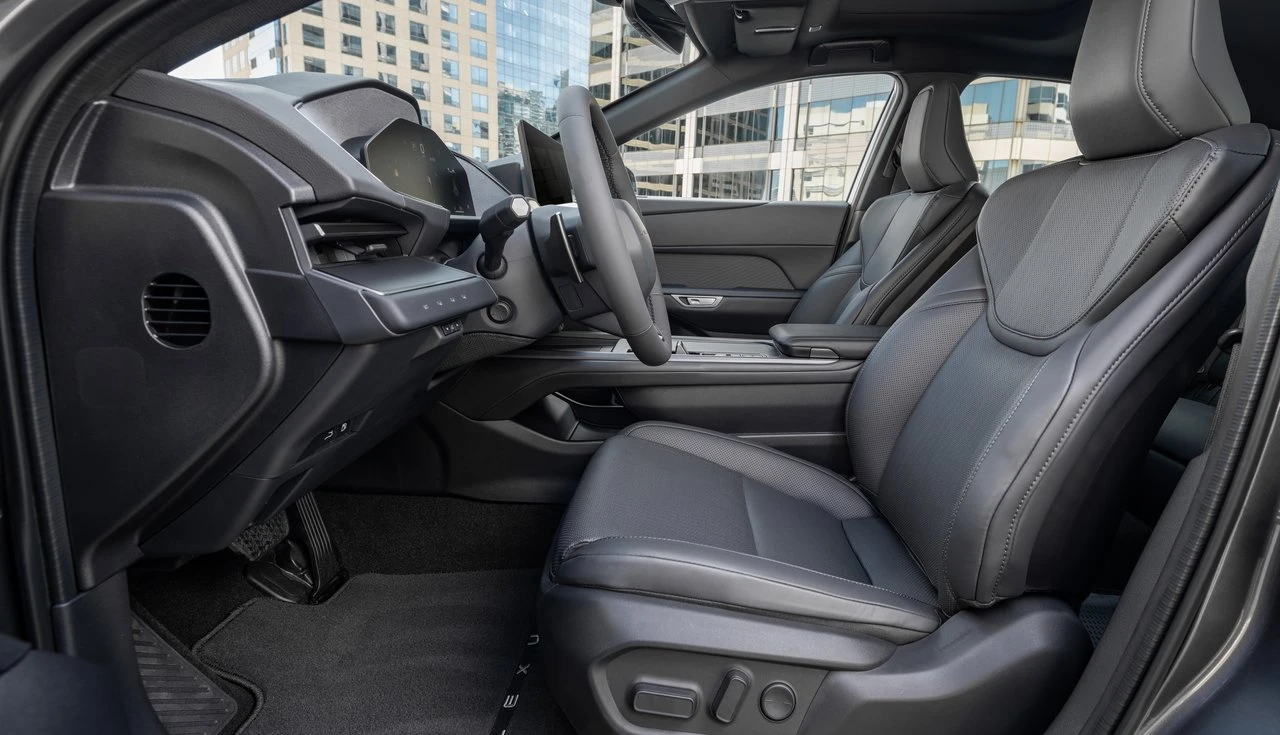
Stepping inside, the 2026 ES presents a cockpit that Lexus finally rebuilt from scratch. The previous cabin — criticized for excessive button clutter and dated interfaces — has been replaced by a minimalist architecture that leads with material quality and clean surfaces.
The Luxury trim brings genuine semi-aniline leather seating, open-pore natural bamboo layering across the door panels and ambient lighting that bleeds through the wood textures. The result is refined without being flashy — exactly what this segment’s buyer typically wants.
Front seats were redesigned with raised H-points, making entry and exit noticeably easier — a practical correction to one of the sedan format’s traditional disadvantages versus SUVs. The bolstering and material quality are at segment standard.
Screens, Connectivity and That Controversial Door Detail
The Lexus Interface system runs everything through a 14.0-inch floating touchscreen, paired with a fully customizable 12.3-inch digital instrument cluster. Wireless Apple CarPlay, Android Auto, dual Bluetooth and over-the-air software updates are all standard.
The LSS+ 4.0 suite brings autonomous emergency braking, full-speed dynamic radar cruise control, lane tracing assist and an infrared driver monitor that watches blink frequency and pupil direction — capable of bringing the car to a controlled stop autonomously if critical fatigue is detected.
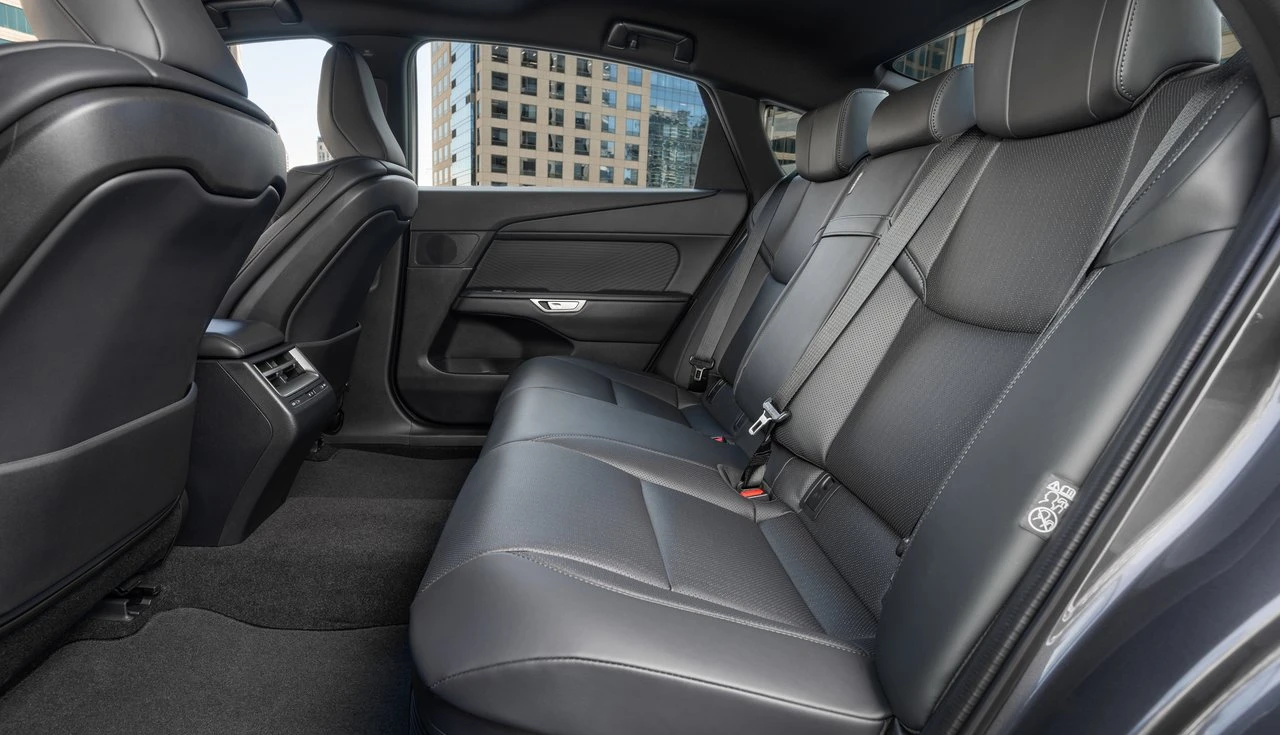
In the rear, the longer wheelbase added 1.4 inches of legroom over the outgoing model. Trunk space reaches 17.4 to 18.2 cubic feet — competitive for the segment.
The undisputed cabin strength is the NVH refinement, described unanimously by international reviewers as vault-like. The documented limitation comes directly from owner forums: the E-Latch electronic door release system — which replaces the conventional mechanical handle with a push-button mechanism — draws consistent criticism, particularly around emergency operation confidence.


Under the Hood: How the Quietest Sedan in the Segment Actually Drives
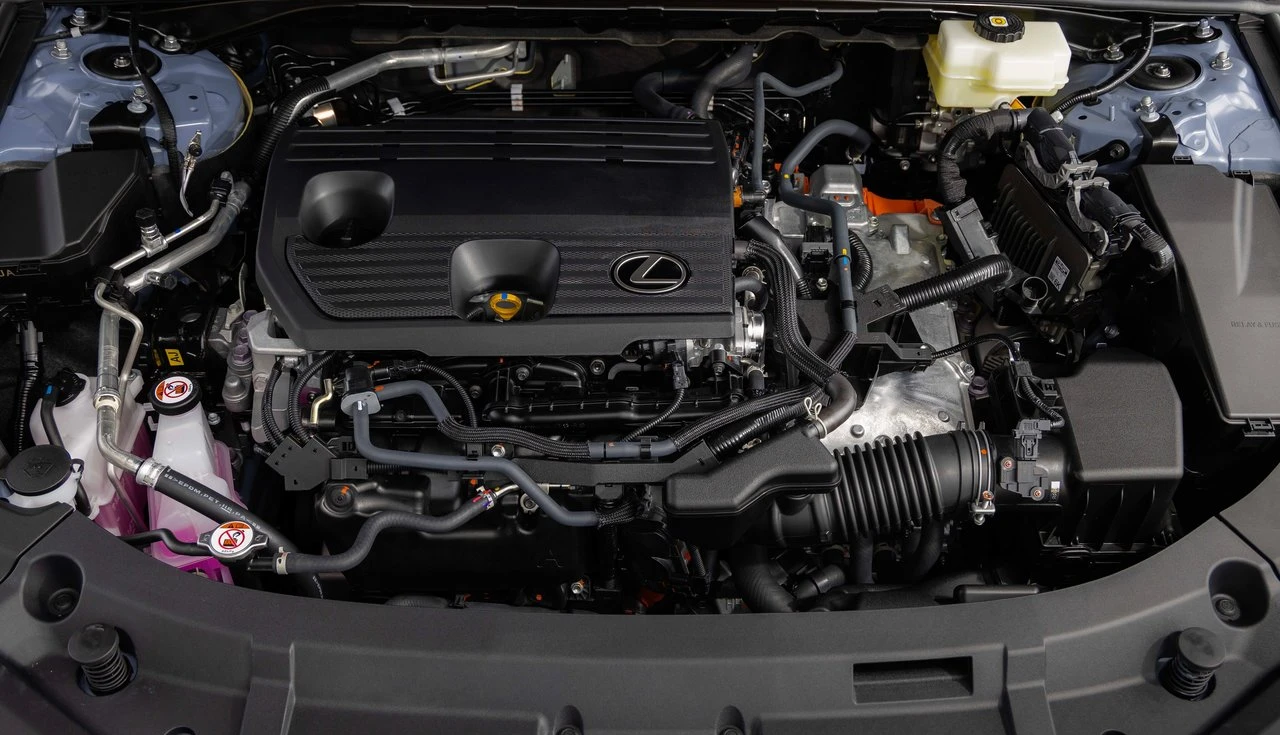
The 2026 ES 350h runs a 2.5-liter inline-four (A25A-FXS) operating on the Atkinson cycle — a deliberate choice that trades low-end grunt for thermal efficiency approaching 41%. On its own, the combustion engine produces 186 HP and 173 lb-ft of torque.
The electric front motor is what transforms the package: 201 HP and 199 lb-ft available from a dead stop. The planetary e-CVT distributes that force continuously and intelligently, without the metal belts of conventional CVT setups. Combined system output is rated at 244 HP.
On the road, the FWD ES 350h hits 0-60 mph in approximately 7.3 seconds, with an electronically governed top speed of 124 mph. The AWD E-Four variant, adding a rear-axle electric motor, cuts that sprint to around 7.1 seconds.
Fuel economy is where the sedan genuinely surprises: 46 MPG combined on the EPA cycle in FWD spec — numbers you’d expect from a compact commuter, not a near-4,000-lb executive sedan. The AWD version returns 44 MPG combined.
One honest caveat worth flagging: under hard acceleration — wide-open throttle — the e-CVT produces the characteristic high-pitched drone that this transmission type is known for. It’s a well-documented complaint from owners and press reviewers alike.
Tech Specs: 2026 Lexus ES 350h
| Specification | Official Data |
|---|---|
| Engine | 2.5L I4 Atkinson Cycle + Electric Motor (A25A-FXS) |
| Peak Power | 244 HP (combined system) |
| Peak Torque | 199 lb-ft (front electric motor) |
| Transmission | Planetary e-CVT |
| 0–60 mph | ~7.3 sec (FWD) / ~7.1 sec (AWD) |
| Fuel Economy | 46 MPG combined (FWD, EPA) |
| Cargo Space / Curb Weight | 17.4–18.2 cu ft / 4,001 lbs (FWD) |
MSRP and Ownership Reality: What the 2026 ES 350h Actually Costs to Own
The 2026 Lexus ES 350h opens at an MSRP of $51,095 for the Premium FWD, climbing to $57,295 for the Premium+ AWD configuration. On paper, those figures put it in direct contact with the BMW 520i and Mercedes-Benz E 200 — both of which carry steeper post-warranty maintenance exposure.
For context, the all-electric ES 350e is speculated to enter at $48,895, reflecting aggressive manufacturer positioning to capture EV-curious luxury buyers who aren’t ready to commit fully to battery-electric ownership.
Maintenance costs for Lexus in the US market consistently benchmark below the German segment average. The naturally aspirated Atkinson engine eliminates the turbocharged components that drive expensive dealership visits once BMW and Audi factory warranties expire. Long-term owners in forums report six-figure mileage with no major drivetrain failures — a track record that genuinely moves the needle on total cost of ownership math.
On the insurance side, the demographic profile of the typical ES buyer — executive use, urban commuting, no performance modifications — combined with the LSS+ 4.0 radar suite translates into favorable actuarial risk. Expect insurance premiums meaningfully lower than equivalent M Sport BMWs or AMG-adjacent Mercedes trims. A market estimate for annual full-coverage premiums in major US metros would fall in the $2,200 to $3,200 range depending on driving history and ZIP code.
For financing, with current rates in the premium segment, a strong down payment or manufacturer-subsidized lease typically makes more financial sense than a long-term loan on a $55K+ sedan. The good news: the ES historically holds residual value better than its German counterparts — which makes lease structures and trade-in scenarios significantly more attractive over a 36-month cycle.
Buying at launch makes sense for buyers who prioritize factory warranty coverage and first access to the new platform’s technology. Waiting 18 to 24 months could mean $5,000 to $8,000 off a certified pre-owned unit with minimal wear — a legitimate strategy for the financially disciplined.
What You Should Know Before Signing the Paperwork
What is the real-world fuel economy of the 2026 Lexus ES 350h?
EPA rates it at 46 MPG combined for FWD and 44 MPG combined for AWD. Real-world driving in mixed conditions typically lands between 40 and 44 MPG depending on climate and driving style.
Are maintenance costs high on the 2026 Lexus ES 350h?
Compared to German segment rivals, no. The non-turbocharged Atkinson engine and the proven Toyota hybrid architecture keep scheduled service costs well below BMW and Audi equivalents in the long run.
What are the main direct competitors in the US market?
The BMW 5 Series (520i mild-hybrid) and Mercedes-Benz E-Class (E 200 / E 220d) are the primary benchmarks. The Audi A6 40 TDI also competes in select configurations.
Does the 2026 ES 350h come with AWD in the US?
Yes. The AWD E-Four variant is available from launch in the US market, adding a rear electric axle motor that routes up to 80% of available torque rearward under hard acceleration or low-grip conditions.
Does the 2026 Lexus ES 350h Deserve a Spot in Your Garage?
The 2026 ES 350h is a purchase that balances rational and emotional arguments better than anything else in this segment right now. The hybrid efficiency, the bulletproof reliability record and the flat depreciation curve build a financial case that’s genuinely hard to argue against.
The NVH refinement is real — not a press release claim. The all-wheel steering makes the car’s size disappear in tight urban situations in a way that has to be experienced to be believed.
That said, this car is not for everyone. If exhaust note and engine drama are non-negotiable for you, look elsewhere. And if the all-digital E-Latch door system is going to be a daily frustration, factor that into your decision.
For the buyer who wants the best hybrid executive sedan without charging anxiety or German maintenance bills: very few options come close.
The 2026 ES 350h doesn’t try to be the most exciting car in the segment. It tries to be the smartest — and it largely succeeds.
And you — does the $51,095 starting MSRP of the 2026 Lexus ES 350h justify itself against the BMW 5 Series, or would you rather pay more for the German badge? Drop your honest take in the comments below!
Share this article
Related posts